

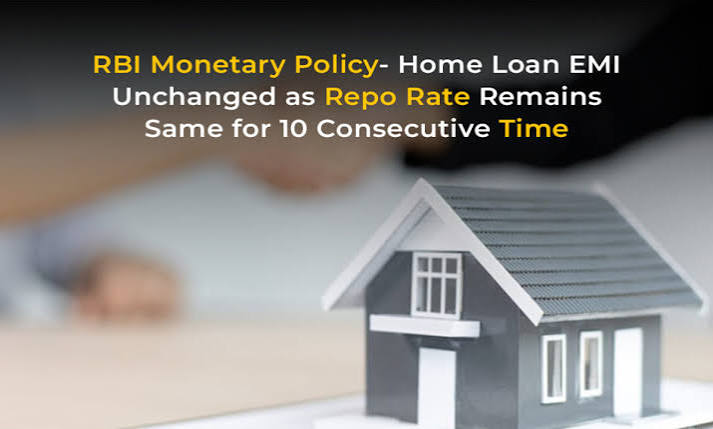
Home loan interest rates have remained largely stable following the latest monetary policy decisions of the Reserve Bank of India (RBI), providing relief to existing borrowers and clarity for people planning to buy homes. Stable lending rates have helped maintain confidence in the housing market as buyers continue to evaluate property purchases amid changing economic conditions.
The RBI’s monetary policy decisions play an important role in determining borrowing costs across the economy. Since home loan rates are linked to banks’ lending practices and benchmark rates, any change in policy rates can influence monthly loan repayments for borrowers. With interest rates remaining steady, many homebuyers are benefiting from predictable equated monthly instalments (EMIs).
For existing home loan borrowers, stable interest rates reduce uncertainty and make financial planning easier. Borrowers with floating-rate loans closely monitor RBI policy announcements because changes in benchmark rates can affect their repayment amounts. A stable rate environment allows families to manage household budgets more effectively.
The housing sector is an important contributor to India’s economic growth. Construction activity creates employment opportunities across industries, including cement, steel, real estate services, and infrastructure. Stable home loan rates can support housing demand by encouraging buyers who may have delayed purchasing decisions due to earlier increases in borrowing costs.
Affordable housing remains a major focus area for policymakers. Government initiatives, improved infrastructure development, and increased access to housing finance have supported growth in the residential property market. Banks and housing finance companies continue to offer various loan products to meet the needs of first-time buyers, salaried professionals, and self-employed individuals.
For new homebuyers, interest rates are one of the most important factors while choosing a loan. Even a small difference in interest rates can significantly affect the total repayment amount over a long loan period. As a result, borrowers are comparing different lenders, processing charges, loan terms, and repayment options before making decisions.
The stability in home loan rates also comes at a time when buyers are balancing housing affordability with other financial responsibilities. Rising household expenses and changing economic conditions have made financial planning more important. Many buyers are carefully assessing their income stability, savings, and long-term commitments before taking large loans.
Banks are also focusing on improving the digital home loan experience. Online applications, faster approvals, digital documentation, and loan tracking services have made the borrowing process more convenient for customers. Technology has helped lenders improve efficiency while providing borrowers with easier access to housing finance.
Real estate developers are closely watching interest rate trends because borrowing costs influence buyer demand. Stable home loan rates can support market confidence and encourage investment in residential projects. Developers are also focusing on affordable housing, modern amenities, and sustainable construction to attract buyers.
Experts suggest that potential homebuyers should evaluate their financial readiness before taking a loan. Factors such as income stability, credit score, down payment capacity, and future expenses should be considered while selecting a suitable loan option. A well-planned borrowing decision can help individuals manage repayments comfortably over the long term.
The RBI continues to balance economic growth and inflation management while making policy decisions. The stability of interest rates reflects efforts to maintain financial conditions that support economic activity without creating additional inflationary pressure.
Overall, stable home loan rates after the RBI policy have provided a positive environment for borrowers and the housing sector. While future rate movements will depend on inflation trends and economic developments, the current stability is helping consumers plan their housing investments with greater confidence.