
India’s rice exports to Iran are continuing at a strong pace despite growing concerns over tougher US sanctions and disruptions in regional trade. While the latest sanctions have created fresh uncertainty for Indian exporters, demand for Indian rice, especially basmati, remains firm as Iranian buyers continue to focus on food security.
Rice has become one of the most important products in India’s trade with Iran. Government data shows that India exported about $810 million worth of rice to Iran during the financial year that ended in March 2026. That accounted for nearly two-thirds of India’s total exports to Iran, which stood at around $1.25 billion during the same period.
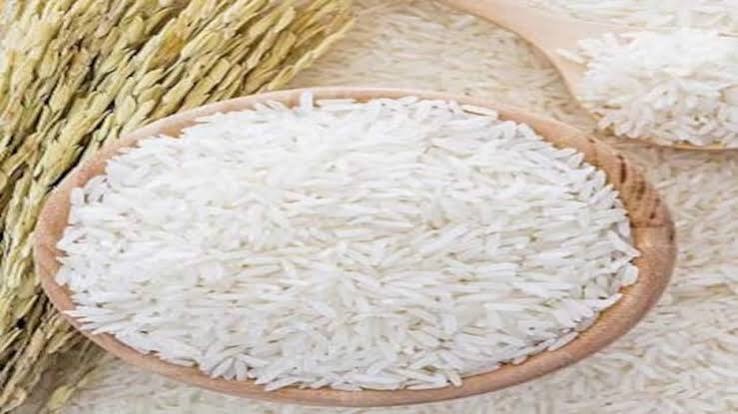
The demand has remained surprisingly resilient despite months of geopolitical tension and higher prices. Iran purchased more than one million tonnes of rice from India during the last financial year, representing an increase of about 17% compared with the previous year. Indian rice exporters believe the basic need for food is helping protect the trade from some of the wider economic and political pressures.
For Iranian consumers, rice is not simply another imported commodity. It is a major part of the country’s food culture and daily meals. Indian basmati is particularly popular and is used in traditional dishes served with meat, vegetables and stews. With concerns about supply chains and rising prices, Iranian buyers appear willing to continue purchasing rice even when costs increase.
Indian exporters are also finding alternative ways to handle payments. According to representatives of the rice-export industry, trade-related financial channels involving the UAE, Germany, China and, more recently, Turkey have continued to operate. These arrangements allow exporters and importers to avoid direct transactions through Iranian banks, which are exposed to international sanctions.
However, the situation is not completely risk-free. The United States has recently announced sanctions targeting more than 60 entities connected with Iran and has warned that countries or companies continuing business with Tehran could face economic consequences. This has raised concerns among Indian exporters about payment settlements, shipping costs and insurance.
The biggest immediate challenge is the disruption of the traditional Dubai trade route. A large part of India-Iran commerce has historically passed through the UAE because Dubai has served as an important logistics and financial centre for regional trade. The UAE’s suspension of trade and financial transactions with Iran has therefore created additional complications for Indian businesses.
Reuters reported that India exported around $383 million worth of rice to Iran during the first half of 2026. Iran is also considered one of the most important overseas markets for India’s premium rice products. Any long-term disruption could therefore affect rice exporters, traders, shipping companies and farmers connected to the export supply chain.
Despite these concerns, exporters remain relatively confident. The humanitarian importance of food products could provide some protection from the harshest effects of sanctions. Rice is an essential commodity, and Iran has limited alternatives if it wants to maintain a steady supply of premium rice at competitive prices.
India’s wider trade relationship with Iran, however, has changed dramatically over the past several years. Bilateral trade has fallen sharply from its earlier levels after restrictions on Iranian oil were tightened. India has also largely stopped importing Iranian crude, apart from a limited period when US waivers allowed some purchases.
The current situation highlights an interesting difference between strategic trade and essential trade. While oil and financial transactions face much greater political and sanctions-related risks, food products such as rice and medicines may continue moving because of their humanitarian importance.
For Indian rice exporters, the next few months will be important. If alternative payment and shipping routes remain available, exports to Iran could continue despite the pressure. But if sanctions expand to target banks, traders or logistics networks involved in food shipments, the industry could face higher costs and longer delivery times.
For now, however, Iranian demand remains strong. India’s rice exporters are continuing to receive orders, while buyers in Iran appear determined to maintain supplies despite rising prices and geopolitical uncertainty.
The story also shows how important food security has become during the current regional crisis. Even as governments impose sanctions and financial restrictions, demand for essential commodities continues. For India’s rice industry, Iran remains a significant market, and exporters are watching the evolving situation closely while looking for safer and more reliable ways to keep the trade moving.