
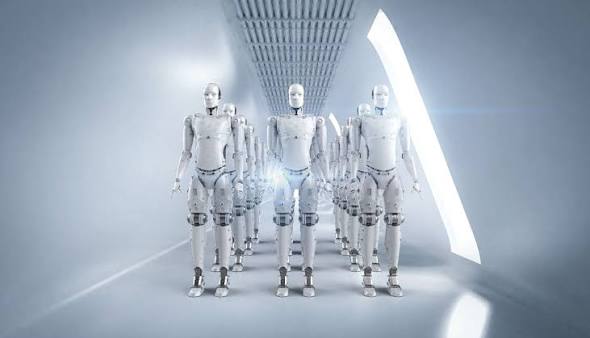
Artificial intelligence is rapidly moving beyond chatbots and software applications into the physical world, giving rise to a new generation of intelligent machines known as Embodied AI. Unlike traditional AI systems that exist only in digital environments, embodied AI combines advanced intelligence with physical robots capable of sensing, understanding, and interacting with the real world. As industries continue investing in automation, experts believe embodied AI could become one of the most transformative technologies of the coming decade.
Embodied AI refers to AI systems that are integrated into physical machines such as robots, autonomous vehicles, drones, and smart industrial equipment. These systems do more than process information—they perceive their surroundings through cameras, sensors, microphones, and other devices, make decisions in real time, and perform physical tasks. This ability to connect intelligence with movement allows robots to operate in dynamic environments that constantly change.
One of the biggest advantages of embodied AI is its ability to learn through interaction. Instead of relying only on pre-programmed instructions, these robots can observe their environment, adapt to new situations, and improve their performance over time. Advances in machine learning, computer vision, sensor technology, and robotics have made it possible for AI-powered machines to handle increasingly complex tasks with greater accuracy and efficiency.

Manufacturing is among the sectors expected to benefit the most from embodied AI. Smart robots can assist with assembly, quality inspection, warehouse operations, and equipment maintenance while working alongside human employees. By taking over repetitive or physically demanding tasks, they can improve productivity, reduce workplace injuries, and help businesses operate more efficiently.
Healthcare is another area where embodied AI is showing significant promise. AI-powered robotic assistants can support medical professionals during surgeries, help transport medical supplies, assist elderly patients with daily activities, and improve rehabilitation programs. Although human doctors remain responsible for clinical decisions, intelligent robotic systems can enhance precision and reduce routine workloads.
The logistics industry is also embracing embodied AI. Autonomous warehouse robots, delivery robots, and intelligent inventory systems are helping companies streamline supply chains and fulfill orders more quickly. As global e-commerce continues to grow, businesses are investing in robotics solutions that can operate around the clock while improving operational efficiency.
Despite its enormous potential, embodied AI also presents several challenges. Building robots that can safely navigate unpredictable environments remains technically complex. Developers must ensure these systems are reliable, secure, and capable of making responsible decisions. Privacy, cybersecurity, safety regulations, and ethical AI governance will play an increasingly important role as embodied AI becomes more common in workplaces and public spaces.
Industry experts believe the future of robotics will depend on close collaboration between humans and intelligent machines rather than complete replacement of human workers. Embodied AI is expected to handle repetitive, hazardous, and physically intensive tasks, allowing people to focus on creative problem-solving, strategic planning, and complex decision-making. This collaborative approach could reshape industries while creating demand for new technical skills and specialized careers.
As artificial intelligence continues to evolve, embodied AI represents the next major step toward bringing digital intelligence into the real world. With ongoing advancements in robotics, sensors, computing power, and machine learning, intelligent physical systems are expected to become an essential part of industries, healthcare, logistics, and everyday life. Organizations that invest responsibly in embodied AI today may be better positioned to lead the next wave of technological innovation and automation.