
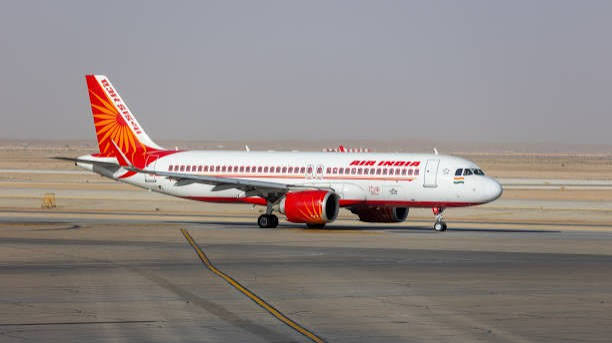
Air India is set to significantly expand its fleet by adding 60 new aircraft over the next 18 months, marking another major milestone in the airline’s transformation journey. The fleet expansion is expected to strengthen both domestic and international operations, improve connectivity, and enhance passenger experience. The move reflects the airline’s long-term strategy to modernize its operations and meet the growing demand for air travel in India and across global markets.
The addition of new aircraft will allow Air India to increase flight frequencies on popular domestic routes while also launching or expanding services to several international destinations. As passenger traffic continues to rise, the airline aims to offer more travel options, better schedules, and improved connectivity for business and leisure travelers alike. The expansion also supports India’s rapidly growing aviation sector, which is witnessing strong demand from both domestic and overseas passengers.

Air India has been undergoing a comprehensive transformation since becoming part of the Tata Group. The airline has invested heavily in fleet modernization, customer service improvements, digital technology, airport infrastructure, and cabin upgrades. The induction of 60 additional aircraft is another important step toward building a world-class airline capable of competing with leading international carriers.
According to aviation experts, expanding the fleet will enable Air India to improve operational efficiency while reducing pressure on existing aircraft. New-generation airplanes are designed to offer better fuel efficiency, lower emissions, and enhanced passenger comfort. Features such as quieter cabins, modern seating, advanced entertainment systems, and improved onboard services are expected to provide travelers with a better flying experience.
The expansion is also expected to strengthen India’s position as a major global aviation hub. By increasing its international capacity, Air India can connect more Indian cities with key destinations across North America, Europe, the Middle East, Southeast Asia, and Australia. Improved connectivity is likely to benefit tourism, international trade, business travel, and the Indian diaspora living abroad.
Industry analysts believe that the additional aircraft will help Air India compete more effectively with both domestic airlines and global aviation giants. Increased seat capacity, better route planning, and more direct international flights could attract a larger customer base while supporting the airline’s long-term growth ambitions. The move also aligns with India’s expanding airport infrastructure and the government’s focus on strengthening the country’s aviation ecosystem.
The fleet expansion is expected to generate employment opportunities across multiple sectors, including pilots, cabin crew, aircraft maintenance, engineering, airport operations, and customer service. As the airline grows its network, demand for skilled aviation professionals is also likely to increase, contributing to the overall development of the aviation industry.
Passengers are expected to benefit from shorter waiting times, more flight choices, and improved travel convenience. With additional aircraft joining the fleet, Air India will have greater flexibility to manage peak travel seasons and respond more efficiently to increasing passenger demand. The airline’s continued investment in modern aircraft also demonstrates its commitment to providing reliable and high-quality services.
Air India’s decision to induct 60 new aircraft over the next 18 months represents one of the most significant fleet expansion plans in recent years. As the airline continues its transformation journey, the expanded fleet is expected to play a crucial role in strengthening its domestic presence, enhancing international connectivity, and positioning Air India as a leading global carrier in the years ahead.