CEAT has reported a 27% year-on-year decline in its net profit for the first quarter (Q1) of FY27, reflecting a challenging business environment marked by rising raw material costs and pressure on operating margins. Despite maintaining steady revenue growth, the tyre manufacturer faced higher production expenses and competitive market conditions, which impacted its overall profitability. The quarterly results have attracted close attention from investors, as they provide insights into the performance of India’s automotive and tyre sectors during the opening quarter of the financial year.
The company’s financial performance indicates that while demand for tyres remained stable across several segments, increasing input costs reduced earnings during the quarter. Raw materials such as natural rubber, synthetic rubber, crude oil derivatives, and carbon black play a significant role in tyre manufacturing costs. Any increase in the prices of these commodities directly affects production expenses and profit margins unless companies are able to offset them through pricing strategies or improved operational efficiency.
Revenue during the quarter remained relatively resilient, supported by continued demand from both the original equipment manufacturer (OEM) segment and the replacement market. Growth in passenger vehicles, commercial vehicles, and two-wheelers has continued to support tyre demand across India. However, the higher cost of raw materials and increased operating expenses outweighed the benefits of stable sales growth, resulting in lower net profit.
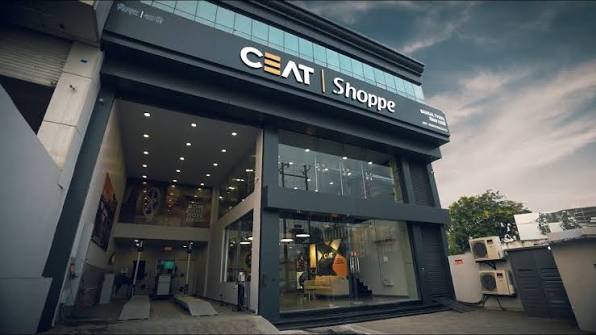
The replacement tyre segment continued to contribute significantly to CEAT’s business, supported by regular vehicle maintenance and replacement demand from individual customers and commercial fleet operators. Meanwhile, OEM demand remained linked to production trends in the automobile industry, which continues to experience gradual expansion despite fluctuations in consumer demand across different vehicle categories.
International operations also remained an important part of CEAT’s overall business strategy. The company continues to strengthen its presence in overseas markets by expanding exports and serving customers across multiple regions. Global demand, currency movements, shipping costs, and international economic conditions continue to influence export performance and overall profitability.
Management emphasized its focus on maintaining operational efficiency despite a challenging cost environment. The company continues to invest in manufacturing improvements, supply chain optimization, and product innovation to strengthen its competitive position. Efficiency initiatives aimed at reducing production costs and improving productivity are expected to remain a priority in the coming quarters.
The company also continues to expand its premium product portfolio, particularly in high-performance passenger vehicle tyres, SUV tyres, electric vehicle (EV) tyres, and specialty products. As consumer preferences evolve and the automotive industry shifts toward electric mobility, tyre manufacturers are increasingly investing in advanced products designed to meet changing market requirements.
Industry experts believe that the tyre sector continues to face a mixed operating environment. While domestic automobile demand remains relatively healthy, fluctuations in commodity prices, logistics costs, and global economic uncertainty continue to create challenges for manufacturers. Companies with efficient cost management, diversified product portfolios, and strong distribution networks are expected to remain better positioned to navigate these market conditions.
Investors are also closely monitoring management’s outlook for the remainder of the financial year. Future performance will largely depend on trends in raw material prices, domestic vehicle production, replacement demand, export opportunities, and the company’s ability to maintain pricing discipline. Stable commodity prices could help improve operating margins in future quarters, while continued demand from the automotive industry may support revenue growth.
The broader Indian automobile sector continues to offer long-term opportunities, supported by rising vehicle ownership, infrastructure development, increasing freight movement, and expanding rural demand. These structural growth drivers are expected to benefit tyre manufacturers over time. In addition, the growing adoption of electric vehicles is creating new opportunities for companies investing in specialized tyre technologies.
Market participants generally recognize that quarterly earnings can fluctuate due to changes in commodity prices and short-term market conditions. Long-term investors often focus on a company’s market share, product innovation, manufacturing capabilities, financial discipline, and ability to adapt to changing industry trends. CEAT remains one of India’s leading tyre manufacturers with a strong brand presence and an extensive nationwide distribution network.
Looking ahead, the company’s focus on operational efficiency, product development, digital transformation, and strategic investments is expected to support long-term growth despite near-term profitability pressures. As commodity prices stabilize and demand remains healthy across automotive segments, CEAT could be well-positioned to improve its financial performance in the coming quarters.
While the 27% decline in Q1 net profit reflects the challenges currently facing the tyre industry, the company’s stable revenue performance, diversified business model, and continued investment in innovation demonstrate its commitment to sustainable growth. Investors will now look forward to improvements in cost management and margin recovery as the financial year progresses.