
Avenue Supermarts, which operates the DMart retail chain, is continuing its aggressive expansion across India as organised retail gains momentum. The company is focusing on opening more stores in existing markets while also entering new locations to bring its value-focused retail model to a larger customer base.
DMart has built its business around offering everyday products at competitive prices. Its stores sell groceries, household goods, clothing and other daily-use products, attracting customers who are increasingly looking for value amid changing household spending patterns.
The company’s expansion comes as India’s organised retail sector enters another phase of growth. Rising urbanisation, increasing disposable incomes and changing shopping habits are encouraging consumers to move toward organised supermarkets and large-format retailers. At the same time, e-commerce and quick-commerce companies are increasing competition by offering home delivery and faster access to everyday products.
For DMart, physical stores remain at the centre of its strategy. The retailer has generally followed a disciplined approach to store expansion, focusing on locations where it believes there is sufficient customer demand and the potential to generate strong sales. This approach has helped the company build a large network across several Indian states.
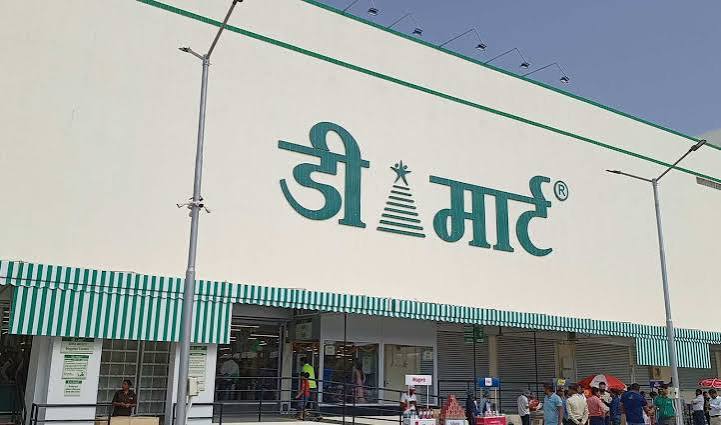
The expansion is also aimed at increasing DMart’s presence beyond major metropolitan areas. Smaller cities and emerging urban centres are becoming increasingly important for organised retailers as consumer spending expands outside India’s biggest cities.
One of DMart’s major strengths is its value proposition. The company has traditionally focused on keeping operating costs under control and passing part of the savings to customers through competitive pricing. This model can be particularly attractive when consumers become more careful about their spending.
However, the retail market is becoming more competitive. Reliance Retail, Walmart-backed Flipkart, Amazon and a growing number of quick-commerce platforms are competing for the same consumer wallet. Companies are investing heavily in delivery networks, technology and store formats to capture demand.
Quick commerce has emerged as a particularly important challenge for traditional retailers. Consumers can now order groceries and household products through digital platforms and receive them within a short period. DMart has responded through its online platform and delivery operations while continuing to expand its physical store network.
The company’s store expansion is therefore not simply about adding outlets. DMart also needs to ensure that new stores achieve sufficient sales productivity and maintain profitability. Retail businesses can face high costs related to rent, employees, logistics and inventory, making efficient operations critical.
India’s organised retail market nevertheless offers significant long-term potential. A large population, growing middle class and increasing formalisation of consumption provide opportunities for retailers with efficient supply chains and strong brands.
DMart’s expansion strategy also gives the company greater purchasing scale. As its store network grows, the retailer can potentially negotiate better terms with suppliers and improve distribution efficiency. These advantages can support its low-price strategy and help the company compete in a crowded market.
At the same time, investors will continue to watch comparable-store sales growth, new store additions, margins and overall profitability. Rapid expansion is beneficial only when new locations generate healthy returns and do not put excessive pressure on the company’s finances.
The broader retail industry is also moving toward a combination of physical and digital shopping. Consumers increasingly use multiple channels depending on convenience, price and product availability. Retailers therefore need to maintain efficient stores while developing strong online capabilities.
For DMart, the current phase represents an opportunity to strengthen its position before competition becomes even more intense. Its established brand, large customer base and value-oriented model provide a strong foundation, but maintaining growth will require continued investment and careful execution.
Overall, DMart’s aggressive store expansion highlights the growing opportunity in India’s organised retail market. As more consumers shift toward organised shopping and spending patterns evolve, retailers that can offer competitive prices, convenient locations and efficient service are likely to remain well positioned for long-term growth.