
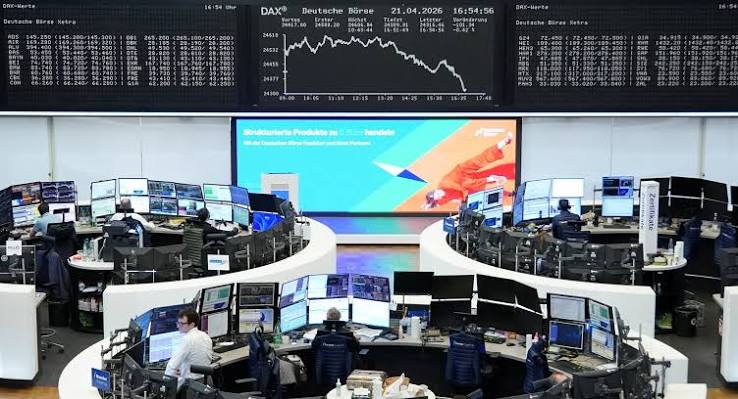
European stock markets opened on a mixed note as investors carefully evaluated fresh economic indicators, corporate earnings reports, and global market developments. While some benchmark indices recorded modest gains, others traded lower as traders balanced optimism about economic resilience against concerns over inflation, interest rates, and international trade. The cautious start reflects the uncertainty that continues to influence financial markets across Europe.
Investors began the trading session by closely monitoring earnings announcements from major European companies. Strong financial performance from selected firms supported buying interest in sectors such as healthcare, consumer goods, and technology. At the same time, weaker-than-expected earnings or cautious business outlooks from some companies created selling pressure in industrial and financial stocks, resulting in mixed market performance across the region.
Economic data also remained a major focus for market participants. Reports related to manufacturing activity, consumer confidence, employment trends, and inflation are being analyzed to understand the strength of the European economy. Investors are attempting to determine whether economic growth will remain stable in the coming months while inflation continues to move toward central bank targets.
Interest rate expectations continue to influence investor sentiment throughout European markets. Traders are watching policy signals from the European Central Bank (ECB) regarding future monetary decisions. Any indication of changes in borrowing costs can have a significant impact on equity markets, particularly sectors that are sensitive to financing conditions such as real estate, banking, and construction.

Global developments also played an important role in shaping market direction. Investors are following economic data from the United States, developments in international trade, geopolitical events, and movements in commodity prices. Because European businesses have extensive international operations, changes in global demand and trade policies often affect corporate earnings and investor confidence across the continent.
Technology stocks continued to attract attention despite the mixed opening. Companies involved in artificial intelligence, cloud computing, cybersecurity, and digital infrastructure remained among the most actively traded shares. Investors believe that long-term technological innovation will continue to support growth, although short-term price movements remain sensitive to valuation concerns and quarterly financial performance.
The financial sector experienced varied performance during early trading hours. Some banking stocks benefited from expectations of stable lending activity and healthy balance sheets, while others traded lower amid uncertainty regarding future interest rate policies. Analysts note that banks continue to remain an important indicator of overall market confidence because of their close connection to economic growth.
Energy and industrial companies also saw mixed trading activity. Fluctuations in oil and natural gas prices, along with changing global demand for industrial goods, influenced investor decisions. Companies with strong international exposure were particularly sensitive to developments in global supply chains and export markets.
Market experts emphasize that mixed openings are common during periods when investors are waiting for major economic announcements or central bank decisions. Rather than making aggressive moves, institutional investors often adopt a cautious approach by selectively buying fundamentally strong companies while reducing exposure to sectors facing near-term uncertainty.
Despite the cautious mood, long-term sentiment toward European equities remains relatively constructive. Many analysts believe that stable corporate earnings, ongoing technological investment, infrastructure spending, and improving business activity could support market performance over the coming quarters. However, they also advise investors to remain diversified and prepared for short-term volatility caused by economic data releases and global events.
Overall, the mixed opening in European stock markets reflects a balanced investor outlook. While optimism surrounding economic stability and corporate performance continues to provide support, uncertainty over inflation, interest rates, and global economic conditions is encouraging traders to remain selective. As more earnings reports and economic indicators become available, market direction is expected to become clearer in the coming weeks.

