

Regional developments involving India and Iran have drawn international attention, with global markets closely monitoring the impact on maritime trade and crude oil supplies. As geopolitical uncertainty continues in parts of the Middle East, concerns have grown over the stability of key shipping routes that are critical for the movement of energy resources and commercial goods. Although trade flows remain operational, governments, businesses, and financial markets are keeping a close watch on the evolving situation.
The Middle East remains one of the world’s most significant energy-producing regions, supplying a substantial share of global crude oil and natural gas. Many of these energy shipments pass through strategically important maritime routes, making the region vital to international trade. Any disruption to these sea lanes could affect global oil prices, shipping costs, and supply chains, with consequences extending far beyond the region.
India, one of the world’s largest importers of crude oil, relies heavily on overseas energy supplies to meet its growing domestic demand. While the country has diversified its sources of oil imports in recent years by purchasing from multiple regions, the Middle East continues to play a crucial role in India’s energy security. As a result, developments involving Iran and the broader Gulf region are closely followed by Indian policymakers and energy companies.
Maritime trade is equally important for India’s economy. A significant portion of the country’s exports and imports—including crude oil, liquefied natural gas (LNG), fertilizers, machinery, chemicals, and consumer goods—moves through international shipping routes. Any increase in regional tensions could lead to higher freight charges, increased insurance premiums for cargo vessels, and delays in the movement of goods, affecting businesses and consumers alike.
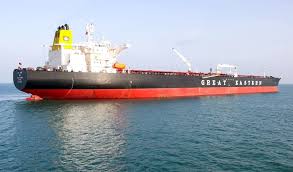
Global shipping companies have also intensified their risk assessments in response to the uncertain security environment. Maritime insurers are evaluating potential threats to commercial vessels operating in sensitive waters. While shipping activities continue without major interruptions, industry experts note that prolonged instability could increase transportation expenses and create additional pressure on global supply chains.
Energy analysts believe that India has strengthened its preparedness over the past few years by expanding strategic petroleum reserves and diversifying crude oil suppliers. These measures are intended to reduce the impact of temporary supply disruptions and improve long-term energy resilience. At the same time, the country is accelerating investments in renewable energy, natural gas, and alternative fuels to gradually reduce dependence on imported fossil fuels.
From a diplomatic perspective, India continues to maintain balanced relations with countries across the Middle East. New Delhi has consistently emphasized the importance of dialogue, peaceful resolution of disputes, and regional stability. Foreign policy experts argue that maintaining peace in the region is essential not only for India’s economic interests but also for global energy security and international trade.
Financial markets around the world are also reacting cautiously to geopolitical developments. Oil prices often respond quickly to concerns over supply risks, and fluctuations in energy prices can influence inflation, transportation costs, manufacturing expenses, and overall economic growth. Investors are therefore closely monitoring diplomatic developments as well as the security situation in the region.
Economists suggest that if maritime routes remain open and energy exports continue without significant disruption, the global economy is likely to avoid major shocks. However, any escalation that affects shipping lanes or energy infrastructure could increase volatility in commodity markets and force countries to seek alternative supply routes and trading partners.
For India, ensuring uninterrupted energy supplies and secure maritime trade remains a strategic priority. Government agencies, energy companies, and shipping operators continue to monitor developments while preparing contingency plans if required. The country’s focus remains on protecting its energy security, maintaining stable trade flows, and supporting peaceful diplomatic efforts in the region.
As geopolitical developments continue to unfold, the international community will remain focused on the Middle East, recognizing that stability in the region is closely linked to global trade, energy markets, and economic confidence.