
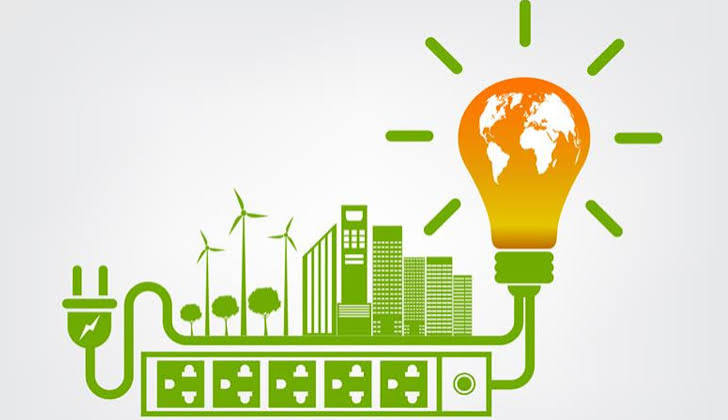
India is witnessing renewed discussions around fresh investment plans in the green energy sector as the country continues its transition toward a cleaner and more sustainable energy future. Government initiatives, private sector participation, and rising global interest in renewable energy have created strong momentum for investments in solar power, wind energy, green hydrogen, battery storage, and other clean technologies. Industry experts believe that these developments could play a significant role in strengthening India’s energy security while supporting long-term economic growth.
The country’s renewable energy sector has expanded rapidly over the past decade, making India one of the world’s fastest-growing clean energy markets. With increasing electricity demand and ambitious climate goals, policymakers and businesses are exploring new opportunities to accelerate investments in renewable infrastructure. Discussions surrounding new investment plans have focused on expanding generation capacity, modernizing transmission networks, and improving energy storage systems.
Solar energy continues to be one of the biggest drivers of India’s clean energy transition. Large-scale solar parks, rooftop installations, and hybrid renewable projects are attracting interest from domestic and international investors. Falling technology costs and supportive government policies have improved the commercial viability of solar projects, encouraging companies to expand their renewable portfolios.
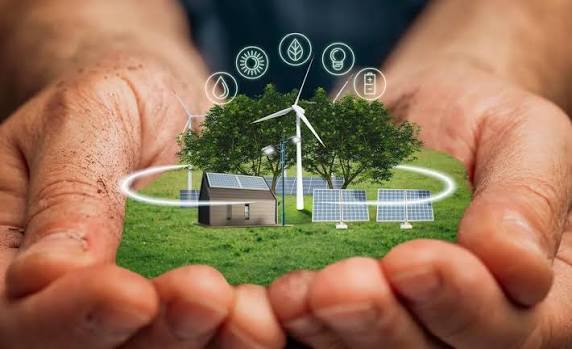
Wind energy is also expected to remain an important pillar of India’s green energy strategy. Several coastal and inland regions possess significant wind power potential, and industry participants are evaluating opportunities to develop new projects with improved efficiency. Advances in turbine technology and grid integration are expected to enhance the productivity of future wind farms.
Green hydrogen has emerged as another promising area for investment. India aims to become a major producer and exporter of green hydrogen by utilizing renewable electricity to manufacture clean fuel. Companies across the energy, manufacturing, and infrastructure sectors are exploring partnerships and investment opportunities in hydrogen production, transportation, and storage. If these plans move forward successfully, green hydrogen could help reduce dependence on fossil fuels while supporting the decarbonization of industries such as steel, fertilizers, and heavy transportation.
Battery energy storage is receiving increasing attention as renewable power generation expands. Since solar and wind energy depend on weather conditions, efficient storage solutions are essential for ensuring reliable electricity supply. Investments in battery manufacturing and grid-scale storage projects are expected to strengthen the overall renewable energy ecosystem and improve grid stability.
The transition to clean energy is also creating new opportunities for employment and industrial development. Renewable energy projects require skilled professionals in engineering, manufacturing, construction, operations, maintenance, and research. As investment activity increases, experts believe that the sector could generate thousands of direct and indirect jobs while encouraging innovation across multiple industries.
Foreign investors continue to view India as an attractive destination for clean energy investments due to its large market, favorable policy environment, and long-term growth potential. International financial institutions and private investment funds have also shown interest in supporting renewable energy projects, recognizing India’s role in the global transition toward low-carbon development.
Despite the positive outlook, industry experts note that challenges remain. Expanding transmission infrastructure, improving land availability, ensuring timely project approvals, and strengthening domestic manufacturing capabilities will be essential for sustaining long-term growth. Efficient financing mechanisms and regulatory stability will also play a key role in attracting continued investments into the sector.
Environmental specialists emphasize that green energy investments are not only important for reducing greenhouse gas emissions but also for improving energy independence and enhancing economic resilience. Diversifying the energy mix can help reduce exposure to fluctuations in global fossil fuel markets while contributing to cleaner air and sustainable development.
As discussions around new green energy investment plans continue, India appears well-positioned to strengthen its leadership in renewable energy. With continued collaboration between the government, private sector, investors, and technology providers, the country has the opportunity to build a more sustainable, secure, and competitive energy future while supporting its long-term economic and environmental goals.