

India’s leading airlines have urged the Central Government to bring Aviation Turbine Fuel (ATF) under the Goods and Services Tax (GST) regime at a uniform rate of 5% with full input tax credit, arguing that the move would significantly reduce operating costs and improve the financial health of the country’s aviation sector.
At present, ATF is one of the largest expenses for airlines, accounting for nearly 35–40% of their operating costs. Unlike most goods and services, aviation fuel remains outside the GST framework and is subject to varying state-level Value Added Tax (VAT) rates. This results in higher fuel costs and creates pricing differences across states, making airline operations more expensive and less efficient.
Airline executives believe that bringing ATF under GST would create a uniform taxation system across the country while allowing carriers to claim input tax credits on fuel purchases. This would lower overall operating expenses and improve cash flow, enabling airlines to invest more in fleet expansion, network growth, customer services, and new technologies.
The proposal has gained attention at a time when the Indian aviation industry is witnessing rapid growth in passenger traffic. Domestic airlines have expanded their fleets, added new routes, and increased connectivity to Tier-2 and Tier-3 cities. However, rising fuel prices continue to remain one of the biggest challenges affecting profitability.
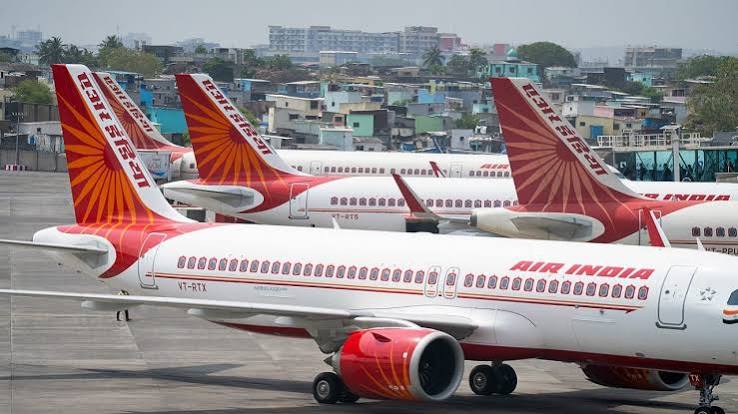
Industry experts say lower fuel taxation could also benefit passengers in the long run. Reduced operational costs may allow airlines to offer more competitive airfares, particularly on domestic routes where price sensitivity is high. Better financial stability would also encourage airlines to launch services to underserved destinations, supporting regional connectivity and economic development.
The aviation sector has repeatedly requested tax reforms over the past several years. Airlines argue that India’s tax structure for aviation fuel is among the highest globally and places domestic carriers at a competitive disadvantage compared to international airlines operating in countries with lower fuel taxes.
The proposal also aligns with the government’s long-term objective of strengthening India’s aviation ecosystem. Through initiatives such as the UDAN regional connectivity scheme, airport modernization, and infrastructure expansion, India has emerged as one of the world’s fastest-growing aviation markets. Industry stakeholders believe tax reforms would complement these initiatives by improving the financial sustainability of airline operations.
Analysts note that while the government would need to evaluate the impact on tax revenues, the long-term economic benefits could outweigh the short-term revenue implications. A stronger aviation sector can generate employment, boost tourism, facilitate trade, and improve connectivity between cities and regions.
As discussions continue between the government and industry representatives, airlines remain optimistic that rationalizing ATF taxation will make India’s aviation industry more competitive, efficient, and resilient. With passenger demand expected to continue rising over the coming years, lower fuel costs could play a key role in supporting sustainable growth across the sector.