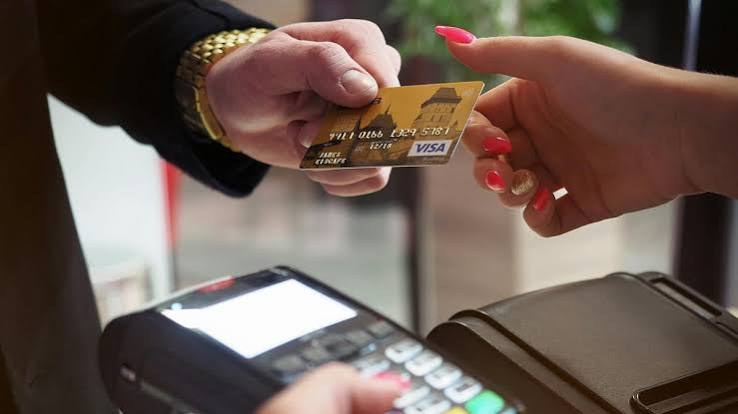
Credit card spending in India remained strong in June 2026, with total spending crossing the ₹2 lakh crore mark for the second consecutive month. According to data released by the Reserve Bank of India (RBI), credit card transactions rose 9.8% year-on-year to about ₹2.01 lakh crore in June, compared with ₹2.02 lakh crore in May.
The numbers show that credit cards continue to play an important role in India’s rapidly expanding digital payments ecosystem. Consumers are increasingly using cards for online shopping, travel, dining, entertainment and other discretionary purchases. E-commerce remains the largest channel for credit card transactions, highlighting the strong connection between card usage and India’s growing online consumer market.
The number of credit cards in circulation also increased sharply. Banks added around 1.14 million cards during June, taking the total number of credit cards in force to approximately 12.15 crore. This was one of the strongest monthly additions in more than two years, suggesting that banks continue to see significant demand for credit products.
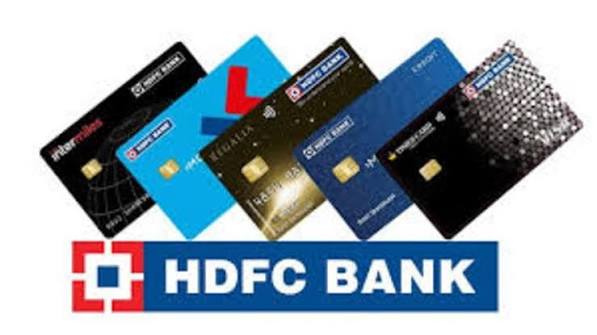
HDFC Bank remained the country’s largest credit card issuer and also recorded strong spending growth. Its card spending increased 16.2% year-on-year to ₹59,432 crore in June. SBI Card also remained one of the largest players in the market, while ICICI Bank and Axis Bank continued to hold significant shares of India’s credit card business.
Online shopping is one of the biggest factors supporting credit card usage. Credit cards are widely used on e-commerce platforms because of reward points, cashback offers, discounts, easy instalment options and additional payment security. Consumers also tend to use cards for larger purchases where the availability of credit and reward benefits can make them more attractive than other payment methods.
At the same time, India’s digital payment landscape is much broader than credit cards. UPI continues to dominate everyday digital transactions, particularly for smaller payments. In June, UPI processed 22.72 billion transactions worth ₹28.92 lakh crore, showing the enormous scale of India’s instant-payment network.
This means credit cards and UPI are increasingly serving different purposes. UPI is widely used for small-value daily purchases, transfers and payments to merchants, while credit cards remain particularly important for online shopping, travel, premium consumption and larger-ticket purchases. Recent industry analysis also suggests that consumers are increasingly choosing payment methods based on the size and nature of a transaction.
The growth in credit card spending is also important for banks because card customers can generate revenue through interest income, fees and merchant-related charges. However, lenders also need to carefully manage credit risk as card balances increase. Rapid growth in unsecured consumer credit can create problems if borrowers begin struggling to repay their outstanding balances.
For consumers, the expansion of credit card usage offers greater convenience but also requires responsible spending. Easy access to credit can encourage higher consumption, particularly when customers are attracted by discounts and cashback. Paying the full outstanding balance on time remains important because carrying unpaid balances can result in high interest costs.
The continued growth of online commerce is likely to keep supporting card spending in the coming years. India’s expanding digital economy, wider internet access and growing consumer preference for online purchases are creating more opportunities for banks and card networks.
Overall, June’s figures show that India’s credit card market remains on a strong growth path. With more than 12 crore cards in circulation and monthly spending staying above ₹2 lakh crore, credit cards are becoming an increasingly important part of India’s consumer and digital-payment ecosystem.