
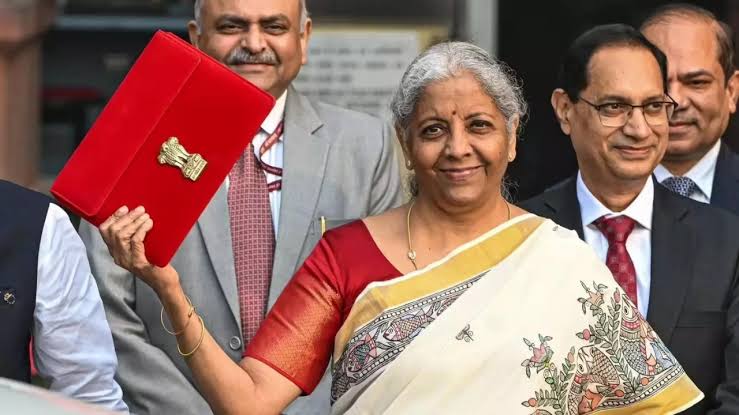
India’s fiscal deficit widened sharply during the first two months of the financial year 2026–27, reflecting higher government expenditure and slower growth in revenue collections. According to data released by the Controller General of Accounts (CGA), the Centre’s fiscal deficit reached ₹1.62 lakh crore during the April–May period, accounting for 9.6% of the full-year fiscal deficit target set in the Union Budget. This marks a significant increase from 0.8% of the annual target recorded during the same period last year.
A fiscal deficit occurs when government expenditure exceeds its total revenue, excluding borrowings. The government has set a fiscal deficit target of 4.3% of GDP for FY27, equivalent to ₹16.96 lakh crore. While the sharp rise in the opening months has raised attention, economists note that fiscal trends are often uneven throughout the year due to seasonal spending patterns and revenue flows.
The increase in the deficit was mainly driven by higher public spending. Total government expenditure during April and May rose to about ₹8.8 trillion, compared with ₹7.5 trillion in the corresponding period a year earlier. Capital expenditure, which includes investments in roads, railways, ports, and other infrastructure projects, also increased to ₹2.5 trillion from ₹2.2 trillion a year earlier. These investments are aimed at supporting economic growth, improving connectivity, and creating employment opportunities.
On the revenue side, tax collections remained largely stable during the period. Net tax receipts stood at approximately ₹3.5 trillion, while non-tax revenue was marginally lower than last year. The slower pace of revenue growth, combined with increased spending, contributed to the wider fiscal gap. However, the government received support from a record surplus transfer by the Reserve Bank of India (RBI), which helped strengthen non-tax revenues and improve cash flows.
Despite the early increase in the fiscal deficit, analysts believe the government remains on track to meet its annual fiscal target. Spending was front-loaded in April to support infrastructure development and welfare programmes, while May recorded a budget surplus due to stronger receipts and the RBI dividend. Economists expect revenue collections to improve in the coming months as economic activity gathers pace and tax inflows increase.
The increase in the deficit was mainly driven by higher public spending. Total government expenditure during April and May rose to about ₹8.8 trillion, compared with ₹7.5 trillion in the corresponding period a year earlier. Capital expenditure, which includes investments in roads, railways, ports, and other infrastructure projects, also increased to ₹2.5 trillion from ₹2.2 trillion a year earlier. These investments are aimed at supporting economic growth, improving connectivity, and creating employment opportunities.
On the revenue side, tax collections remained largely stable during the period. Net tax receipts stood at approximately ₹3.5 trillion, while non-tax revenue was marginally lower than last year. The slower pace of revenue growth, combined with increased spending, contributed to the wider fiscal gap. However, the government received support from a record surplus transfer by the Reserve Bank of India (RBI), which helped strengthen non-tax revenues and improve cash flows.
Despite the early increase in the fiscal deficit, analysts believe the government remains on track to meet its annual fiscal target. Spending was front-loaded in April to support infrastructure development and welfare programmes, while May recorded a budget surplus due to stronger receipts and the RBI dividend. Economists expect revenue collections to improve in the coming months as economic activity gathers pace and tax inflows increase.