

Millions of Americans celebrating the United States’ 250th Independence Day faced an unexpected challenge as a powerful heat wave swept across much of the country. Instead of enjoying outdoor parades, fireworks, and family gatherings, many people had to change their plans because of dangerously high temperatures.
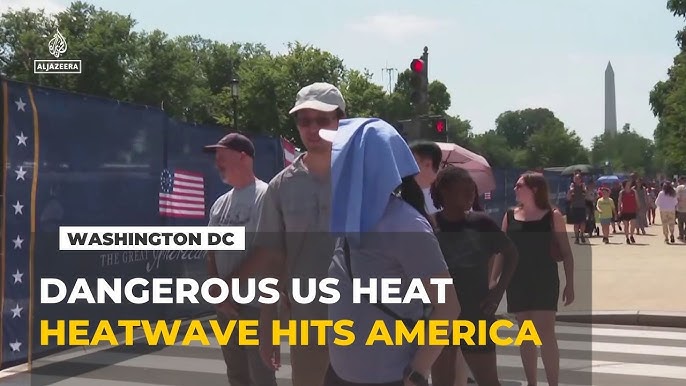
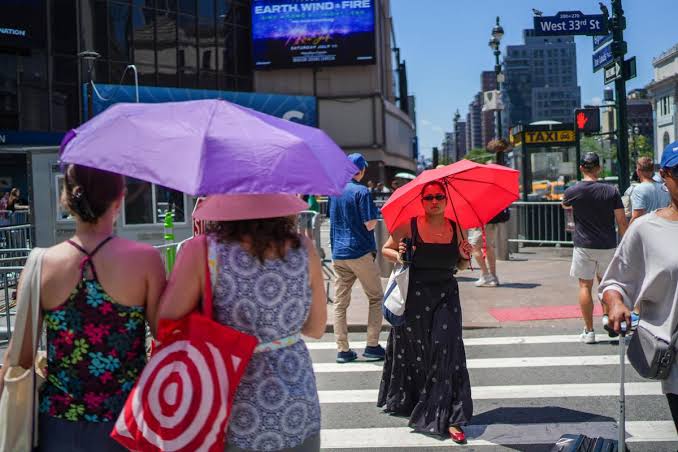
The extreme weather affected large parts of the eastern and central United States. In cities such as Washington, D.C., Philadelphia, Boston, and New York, temperatures climbed above 100 degrees Fahrenheit (38 degrees Celsius). Combined with high humidity, the heat felt even more intense, making it unsafe for people to stay outdoors for long periods.
Several Independence Day events were either canceled, postponed, or shortened to protect public safety. In Washington, D.C., the planned Independence Day parade and parts of the Great American State Fair were called off after weather officials warned that the heat index could reach dangerous levels. Local governments encouraged families to avoid unnecessary outdoor activities and spend time in air-conditioned places whenever possible.
The heat wave also placed enormous pressure on the country’s electricity system. As millions of homes and businesses used air conditioners throughout the day, electricity demand reached unusually high levels. Power companies asked customers to reduce energy use during peak hours by turning off unnecessary lights and setting air conditioners a little higher. In some areas, temporary power outages affected thousands of residents, adding to the difficulties caused by the extreme weather.
Emergency services remained on high alert throughout the holiday weekend. Hospitals and medical teams reported an increase in people suffering from heat exhaustion and dehydration. Health officials advised everyone, especially older adults, young children, and people with existing health conditions, to drink plenty of water, wear light clothing, and avoid direct sunlight during the hottest part of the day.
Despite the challenging weather, many communities found ways to continue their celebrations safely. Indoor concerts, museum events, and community centers welcomed families looking for relief from the heat. Some fireworks displays were delayed until later in the evening when temperatures became slightly cooler. Volunteers also distributed free drinking water and helped visitors locate cooling centers across several cities.
The holiday held special significance this year because it marked 250 years since the signing of the Declaration of Independence in 1776. Across the nation, ceremonies, concerts, historical exhibitions, and cultural events celebrated the country’s history and achievements. Leaders encouraged Americans to reflect on the nation’s journey while honoring the values of freedom, democracy, and unity.
Weather experts explained that the unusually high temperatures were caused by a strong high-pressure system, often called a “heat dome.” This weather pattern traps hot air over a region for several days, leading to prolonged periods of extreme heat. Forecasters warned that some areas could continue experiencing above-average temperatures into the following week.
Officials also reminded the public that extreme weather events have become more frequent in recent years, increasing the need for better emergency planning and public awareness. Communities across the country are investing in cooling centers, emergency response systems, and public health campaigns to help residents stay safe during future heat waves.