

Inflation remains one of the most closely watched economic indicators worldwide in 2026, as governments, central banks, and households continue to navigate the lingering effects of past price surges. Recent data from multiple regions suggests that while headline inflation rates have eased compared to the peaks seen in 2022–2023, the pace of decline is uneven and fragile.
In advanced economies such as the United States and parts of Europe, inflation has generally stabilized closer to central bank targets, but certain sectors remain stubbornly expensive. Housing costs, insurance premiums, and services inflation are still elevated, preventing a full return to pre-pandemic price stability. Central banks like the U.S. Federal Reserve and the European Central Bank have adopted a cautious stance, signaling that interest rates may remain higher for longer to ensure inflation expectations remain anchored.
Energy markets have also played a significant role in shaping inflation trends. After extreme volatility in previous years, global oil and gas prices have steadied, contributing to lower transportation and manufacturing costs. However, geopolitical tensions in energy-producing regions continue to pose risks of sudden price spikes, keeping markets on edge.
Food inflation remains a particularly sensitive issue across developing economies. Countries in South Asia, Africa, and parts of Latin America continue to experience higher-than-average increases in food prices due to climate-related disruptions, supply chain inefficiencies, and currency fluctuations. In many rural regions, households are still struggling with the rising cost of staples such as grains, vegetables, and cooking oil.
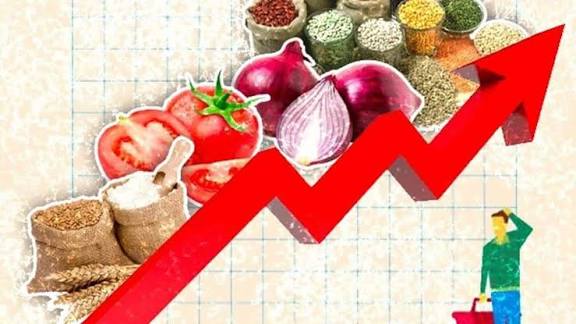
In India, inflation dynamics reflect a mixed picture. While wholesale price inflation has shown periods of moderation, retail inflation continues to be influenced heavily by food prices. Erratic monsoon patterns and localized supply chain disruptions have led to price volatility in essential commodities. The Reserve Bank of India continues to monitor inflation closely, balancing growth support with price stability. Urban consumers have seen some relief in fuel prices, but rural inflation pressures remain more pronounced due to higher dependence on agricultural outputs.
Emerging markets overall are facing a dual challenge: managing imported inflation due to a strong U.S. dollar while also addressing domestic supply-side constraints. Currency depreciation in several economies has increased the cost of imports, particularly fuel and industrial raw materials, adding further strain to inflation control efforts.
Corporate pricing behavior is another factor influencing inflation persistence. In some sectors, companies have been able to pass increased costs onto consumers, especially in industries with limited competition. However, as demand softens in certain markets, there are early signs that pricing power is weakening, which could help ease inflation further in the coming months.
Labor markets remain tight in several advanced economies, contributing to wage growth that supports consumer spending but also keeps service-sector inflation elevated. This wage-price dynamic is one of the key concerns for policymakers, as sustained wage increases could delay the return to full price stability.
Despite these challenges, many economists believe that global inflation is on a gradual downward trajectory. Supply chain normalization, improved agricultural output forecasts, and stabilizing energy markets all contribute to a cautiously optimistic outlook. However, risks remain, including geopolitical conflicts, extreme weather events, and financial market volatility.