

Tesla has once again become the center of attention in the global automotive industry as investors, analysts, and customers closely monitor the company’s evolving electric vehicle (EV) strategy. With competition increasing across the EV market, Tesla is focusing on expanding its product lineup, improving battery technology, enhancing software capabilities, and optimizing manufacturing efficiency. The company’s future plans are expected to play a significant role in shaping the next phase of the global electric mobility market.
Over the past decade, Tesla has transformed the electric vehicle industry by making EVs more mainstream and accelerating innovation across the automotive sector. However, the competitive landscape has changed considerably, with established automakers and emerging EV manufacturers introducing new electric models across different price segments. As a result, Tesla is refining its long-term strategy to maintain its leadership position while adapting to changing consumer preferences and market conditions.
One of the key priorities in Tesla’s strategy is continued investment in battery technology. The company is working to improve battery performance by increasing driving range, reducing charging time, lowering production costs, and enhancing overall energy efficiency. Advances in battery technology remain critical because they directly influence vehicle affordability, customer satisfaction, and long-term profitability.
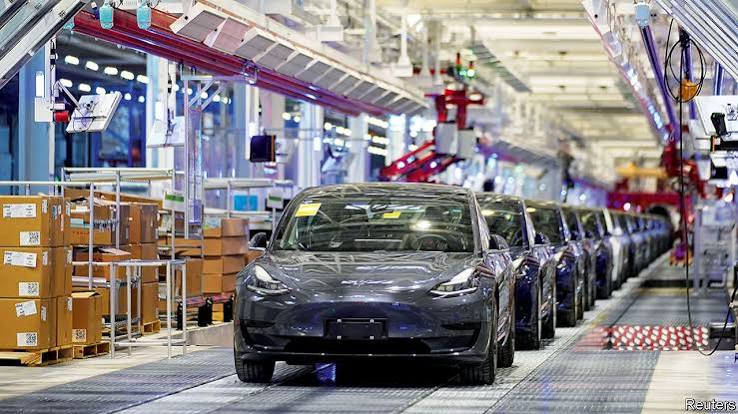
Tesla is also strengthening its manufacturing capabilities through greater automation and production efficiency. The company continues to invest in advanced manufacturing techniques and large-scale production facilities designed to reduce costs while increasing output. Efficient manufacturing allows Tesla to respond more quickly to changing market demand and improve delivery performance across global markets.
Software development remains another important pillar of Tesla’s business strategy. Unlike traditional automakers, Tesla places significant emphasis on software updates, connected vehicle technology, and intelligent driving features. Over-the-air software updates allow the company to improve vehicle performance, add new features, and enhance customer experience without requiring physical service visits. This digital approach continues to differentiate Tesla from many competitors.
Artificial intelligence is becoming increasingly important in Tesla’s future plans. The company continues to develop AI-powered driver assistance systems, autonomous driving technologies, and intelligent vehicle software. Although regulatory approval and safety requirements continue to evolve, Tesla believes advanced automation will play a major role in the future of transportation.
Global expansion remains another major focus. Tesla continues to strengthen its presence in North America, Europe, and Asia while evaluating opportunities in emerging markets where demand for electric vehicles is expected to increase. Expanding production capacity, improving supply chains, and increasing local manufacturing capabilities remain essential components of the company’s international growth strategy.
The broader EV industry is also benefiting from supportive government policies in many countries. Incentives for electric vehicle adoption, stricter emission regulations, and growing investments in charging infrastructure are encouraging more consumers to consider EV ownership. At the same time, rising competition has prompted manufacturers to focus more aggressively on pricing, technology, and customer value.
Industry analysts believe Tesla’s future success will depend not only on vehicle sales but also on its ability to maintain technological leadership. Continued innovation in battery systems, autonomous driving, energy storage, charging infrastructure, and software services could create additional revenue opportunities beyond traditional automobile manufacturing.
Financial markets remain highly attentive to Tesla’s strategic announcements because the company’s decisions often influence investor sentiment across the broader EV and technology sectors. Product launches, manufacturing updates, quarterly earnings, and long-term investment plans are closely analyzed as indicators of future business performance. Even small strategic changes frequently generate significant market attention.
Overall, Tesla’s evolving EV strategy reflects its ambition to remain a global leader in electric mobility despite increasing competition. By investing in battery innovation, artificial intelligence, manufacturing efficiency, software development, and international expansion, the company is preparing for the next stage of growth in the rapidly changing automotive industry. As the global transition toward sustainable transportation continues, Tesla’s strategic direction is expected to remain one of the most closely watched developments in the worldwide electric vehicle market.