

Global crude oil prices have declined as easing geopolitical tensions and improved supply expectations reduced fears of major disruptions in energy markets. The fall reflects shifting investor sentiment, with traders scaling back risk premiums that had previously pushed prices higher amid conflict-related uncertainty.
Benchmark crude contracts such as Brent and West Texas Intermediate (WTI) slipped as markets responded to signals of reduced geopolitical risk in key oil-producing regions. When tensions ease, traders typically anticipate smoother supply flows, lowering the “risk premium” that is often built into oil prices during periods of instability.
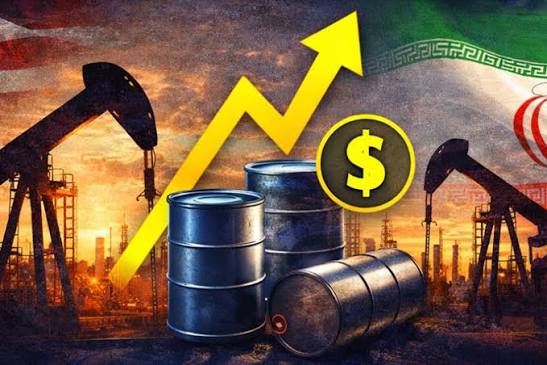
A major factor behind the decline is the perception that global oil supply remains stable, with no immediate threats to production or shipping routes. Earlier concerns about disruptions in the Middle East and other critical energy corridors had supported higher prices, but recent diplomatic developments and improved security conditions have helped calm markets.
At the same time, supply dynamics from major producers have remained relatively steady. Members of the OPEC+ alliance continue to manage output levels to balance the market, while non-OPEC producers, including the United States, maintain strong production levels. This steady output has added to expectations of adequate global supply in the near term.

Demand-side factors have also influenced the price decline. Investors are closely watching global economic indicators, particularly manufacturing activity and industrial demand from major economies. Signs of uneven growth in some regions have raised concerns about weaker oil consumption, especially in transportation and industrial sectors.
In addition, energy markets have been reacting to broader financial trends. The recent shift of investor capital toward technology and artificial intelligence (AI) stocks has contributed to reduced demand for commodities as short-term investment assets. As risk appetite improves in equity markets, commodities like oil often experience downward pressure.
Currency movements have also played a role. A stronger U.S. dollar tends to make oil more expensive for buyers using other currencies, which can reduce demand and push prices lower. Recent fluctuations in foreign exchange markets have added to volatility in crude pricing.
Despite the recent decline, analysts caution that oil markets remain sensitive to sudden changes in geopolitical conditions. Any escalation of conflict, unexpected supply disruptions, or major policy decisions by oil-producing countries could quickly reverse the downward trend.
Longer-term fundamentals remain mixed. While renewable energy adoption and efficiency improvements are gradually reshaping global energy demand, oil continues to play a dominant role in transportation, petrochemicals, and industrial production. This ensures that price movements will remain highly responsive to both geopolitical and economic developments.
Overall, the fall in oil prices reflects a combination of easing geopolitical risks, stable supply conditions, and shifting investor sentiment toward other asset classes. However, the energy market remains inherently volatile, and prices are likely to fluctuate as global conditions evolve.