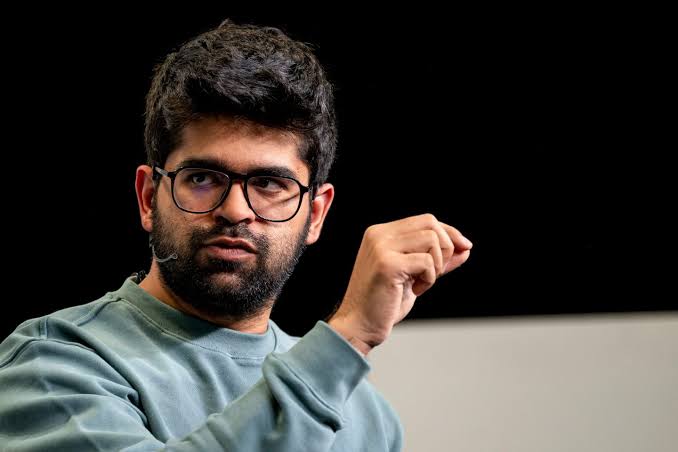
The rapid rise of artificial intelligence has transformed industries around the world, but according to Perplexity AI CEO Aravind Srinivas, the biggest breakthroughs will continue to come from entrepreneurs who are willing to challenge conventional thinking. Speaking about the future of technology and innovation, Srinivas emphasized that bold founders remain the driving force behind disruptive ideas, even as AI becomes more powerful and accessible.
His comments come at a time when startups across the globe are racing to develop next-generation AI products, automation tools, and digital platforms. While technology is evolving at an unprecedented pace, Srinivas believes that success still depends on people who are ready to take risks, solve difficult problems, and build products that create real value for users.
Industry leaders view his remarks as a reminder that innovation is not driven by technology alone but by the vision and determination of entrepreneurs who are prepared to think differently.
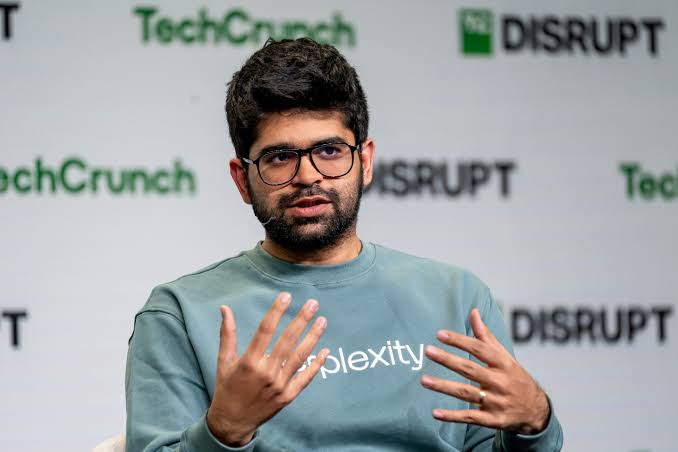
Aravind Srinivas highlighted that every major technological shift has been led by founders who believed in ideas that initially seemed impossible. Whether it was the internet, smartphones, cloud computing, or artificial intelligence, entrepreneurs have consistently played a central role in transforming industries.
According to him, AI may accelerate product development and improve efficiency, but groundbreaking businesses will continue to emerge from individuals who identify new opportunities and have the courage to pursue them.
He noted that the willingness to experiment, learn from failure, and adapt quickly remains one of the most valuable qualities for any entrepreneur.
As artificial intelligence becomes increasingly capable, many people wonder whether technology itself will become the primary driver of innovation. Srinivas believes AI should be viewed as an enabler rather than a replacement for human creativity.
He explained that AI can help entrepreneurs write code faster, analyze data, automate routine work, and improve productivity. However, identifying customer problems, creating unique business models, and building trusted brands still require human judgment and strategic thinking.
Technology can enhance innovation, but the original ideas must still come from people willing to challenge existing approaches.
Srinivas also pointed to India’s rapidly expanding startup ecosystem as a source of future innovation. With millions of skilled engineers, growing access to venture capital, and increasing adoption of digital technologies, India offers significant opportunities for entrepreneurs.
The country’s startup community has already produced successful companies across fintech, software, healthcare, education, logistics, and artificial intelligence. According to industry observers, continued investment in innovation could position India among the world’s leading technology hubs.
Young entrepreneurs are increasingly choosing to build technology companies that address both domestic and global challenges.
One of the key messages from Srinivas was that successful startups focus on solving genuine customer problems rather than simply following market trends.
He emphasized that entrepreneurs should spend more time understanding user needs and creating products that deliver measurable value. Businesses built around practical solutions are more likely to earn customer trust and achieve long-term success than those driven solely by hype.
This customer-first approach has become increasingly important in the competitive AI industry, where new products are launched almost every week.
Technology evolves rapidly, especially in artificial intelligence. Srinivas believes entrepreneurs must remain curious and committed to continuous learning if they want to stay competitive.
Founders who regularly update their skills, experiment with emerging technologies, and remain open to feedback are better positioned to adapt to changing market conditions. Learning from both successes and failures helps businesses improve products and identify new growth opportunities.
This mindset is particularly valuable in industries where innovation cycles are becoming shorter.