
The Reserve Bank of India (RBI) continues to focus on maintaining a balance between economic growth and inflation control as it manages the country’s monetary policy approach. With India aiming to sustain strong economic expansion while protecting consumers from rising prices, the central bank’s decisions remain an important factor influencing businesses, financial markets, and households.
The RBI’s primary responsibility is to maintain price stability while supporting sustainable economic growth. Inflation affects the purchasing power of citizens, business costs, and investment decisions. At the same time, measures taken to control inflation must be carefully managed to ensure they do not slow down economic activity. The central bank therefore follows a balanced approach while reviewing interest rates, liquidity conditions, and other policy measures.
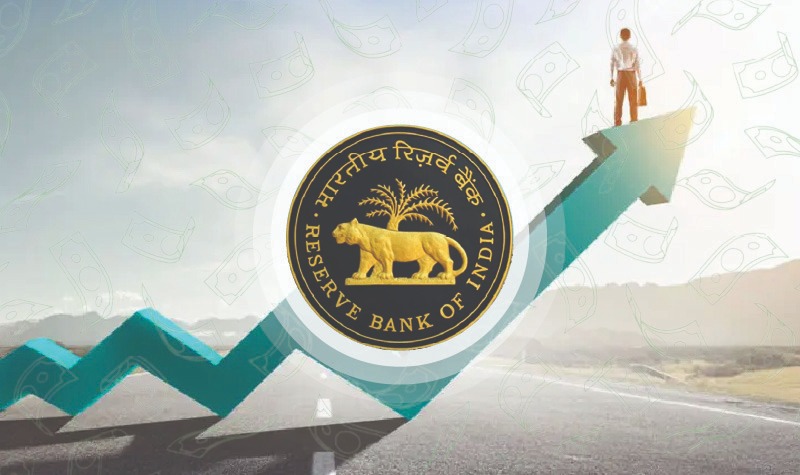
One of the key tools used by the RBI is the repo rate, which influences borrowing costs across the economy. Changes in the policy rate affect loans for businesses, homebuyers, and consumers. When inflation remains high, higher interest rates may be used to reduce excessive demand and control price increases. When economic growth requires support, a more supportive monetary approach can help improve credit availability and investment.
India’s economic growth has remained a major priority for policymakers. Strong domestic demand, infrastructure development, digital transformation, and increasing private sector investment have supported economic activity. The RBI has emphasized the importance of maintaining financial stability while ensuring that credit continues to flow to productive sectors of the economy.
Inflation management remains a significant challenge due to factors such as food prices, energy costs, global commodity movements, and supply chain conditions. Food inflation, in particular, can have a direct impact on household expenses and requires careful monitoring. The RBI works with government agencies and monitors economic indicators to assess inflation trends and take appropriate measures.
The central bank also keeps a close watch on global economic developments. Changes in international interest rates, currency movements, crude oil prices, and geopolitical situations can influence India’s economy. A strong US dollar, global market volatility, and changing investment patterns can affect inflation and financial conditions in India.
Apart from interest rate decisions, the RBI uses liquidity management measures to maintain stability in the banking system. Ensuring adequate liquidity helps banks provide loans to businesses and individuals while preventing excessive money supply growth that could increase inflationary pressure.
The banking sector remains a key focus area for the RBI. Strong regulation, improved asset quality, digital banking expansion, and financial inclusion initiatives are helping strengthen India’s financial system. A stable banking sector supports economic growth by improving access to credit and encouraging entrepreneurship.
Small businesses and MSMEs are among the sectors closely affected by monetary policy decisions. Affordable credit availability helps these businesses expand, invest in technology, and create employment opportunities. However, rising borrowing costs can increase financial pressure, making policy balance important.
The RBI also continues to support digital payments and financial innovation while maintaining security and consumer protection. India’s digital financial ecosystem has expanded rapidly, and the central bank plays an important role in ensuring safe and efficient payment systems.
Experts believe that the RBI’s challenge is to maintain a careful balance between controlling inflation and supporting growth. Excessive tightening could impact investment and consumption, while insufficient action on inflation could reduce purchasing power and economic confidence.