India’s deep-tech startup SatSure is steadily emerging as a major force in the country’s growing space technology ecosystem by using artificial intelligence (AI) and satellite data to solve real-world problems. From helping farmers improve crop planning to supporting governments in climate monitoring and disaster management, the Bengaluru-based company is proving that space technology can create value far beyond rocket launches and satellite missions.
As industries increasingly rely on data-driven decision-making, SatSure has positioned itself at the intersection of AI, geospatial intelligence, and Earth observation. Its technology converts satellite images into meaningful insights that businesses, financial institutions, insurers, and public agencies can use to make faster and more informed decisions. The company’s success reflects the growing demand for digital solutions that combine advanced analytics with practical applications.
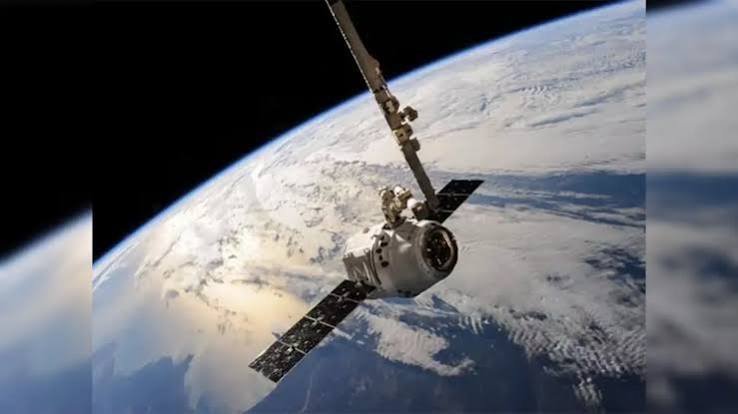
SatSure’s core strength lies in its ability to transform raw satellite imagery into valuable business intelligence. Satellites capture enormous amounts of information every day, but interpreting this data quickly and accurately requires sophisticated technology.
The company uses artificial intelligence and machine learning models to analyze satellite images and identify patterns related to crop health, weather changes, land use, water resources, and infrastructure development. Instead of relying solely on manual surveys, organizations can access reliable information within a much shorter time.
This combination of AI and satellite technology allows decision-makers to respond more quickly to changing conditions while improving planning and operational efficiency.
Agriculture remains one of SatSure’s most important focus areas. Indian farmers face several challenges, including unpredictable weather, changing rainfall patterns, pest attacks, and fluctuating market conditions. Accurate information is often the key to reducing these risks.
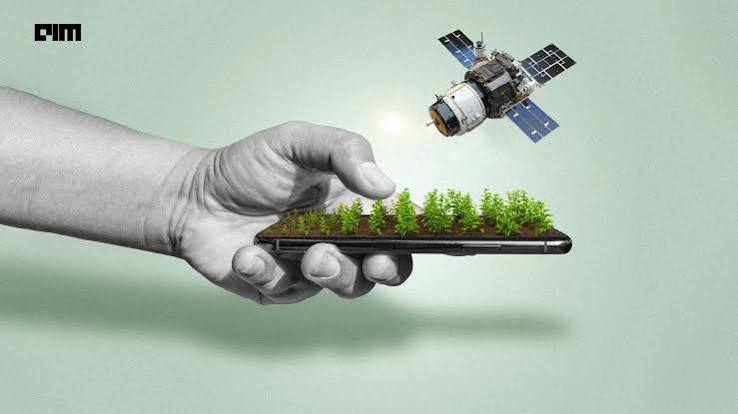
Through satellite monitoring and AI-powered analysis, SatSure provides insights into crop conditions, soil moisture, irrigation requirements, and vegetation health. Farmers and agribusinesses can use this information to optimize farming practices, improve productivity, and reduce losses caused by environmental factors.Financial institutions also benefit by using satellite-based crop assessments to evaluate agricultural loans and improve credit risk management.
Climate change has increased the importance of accurate environmental monitoring. Governments and disaster response agencies require timely information to prepare for floods, droughts, cyclones, and other natural disasters.
SatSure’s technology enables continuous monitoring of environmental conditions through satellite imagery and AI-driven analytics. The platform helps identify vulnerable regions, assess damage after disasters, and support recovery planning.
Access to reliable geospatial intelligence allows authorities to make faster decisions while improving disaster preparedness and resource allocation.
Although agriculture remains a key market, SatSure has expanded its solutions across several industries. Banks use satellite intelligence for loan verification and land assessment, insurance companies rely on geospatial data for claims evaluation, and infrastructure developers use satellite analytics during project planning.
Energy companies, urban planners, logistics providers, and environmental organizations are also adopting satellite-powered insights to improve operational efficiency and reduce risks.
This diversified business model has enabled SatSure to create multiple revenue opportunities while reducing dependence on a single industry.
Continuous investment in research and technology has been one of the biggest reasons behind SatSure’s growth. The company is strengthening its capabilities in artificial intelligence, cloud computing, machine learning, and geospatial analytics to improve the speed and accuracy of its services.
Its engineering teams are developing advanced analytical models capable of processing large volumes of satellite data in real time. This enables customers to receive faster reports and make more confident business decisions.
Management believes technological innovation will remain essential as demand for satellite intelligence continues to expand globally.