

The Indian rupee has been facing pressure against the US dollar as global economic factors, changes in investor sentiment, and movements in international markets influence currency exchange rates. The rupee’s performance has become a key focus area for policymakers, businesses, importers, and investors as currency fluctuations affect inflation, trade costs, and overall economic stability.
One of the major reasons behind the pressure on the rupee is the strength of the US dollar in global markets. The dollar remains a preferred currency for international trade and investment, especially during periods of uncertainty. When global investors move towards safer assets such as US dollar-based investments, emerging market currencies, including the Indian rupee, often experience pressure.
Rising crude oil prices have also created challenges for the Indian currency. India imports a large portion of its crude oil requirements, and higher international oil prices increase the country’s import expenses. When oil import costs rise, demand for dollars increases as Indian companies require more foreign currency for payments. This can put additional pressure on the rupee exchange rate.

Foreign investment trends are another important factor affecting currency movement. When foreign investors increase investments in Indian stocks and bonds, demand for the rupee generally improves. However, outflows of foreign capital from domestic markets can weaken the currency. Global interest rate decisions, economic data, and geopolitical developments often influence investor decisions.
The Reserve Bank of India (RBI) continues to monitor currency market conditions and takes measures to maintain stability. The central bank uses foreign exchange reserves and other monetary tools to reduce excessive volatility in the currency market. The objective is not to fix a particular exchange rate but to ensure that sudden fluctuations do not create economic disruptions.
A weaker rupee has both positive and negative effects on the Indian economy. Export-oriented industries such as information technology, pharmaceuticals, and some manufacturing sectors may benefit because their overseas earnings become more valuable when converted into rupees. However, businesses that depend heavily on imports face higher costs due to increased payments in foreign currency.
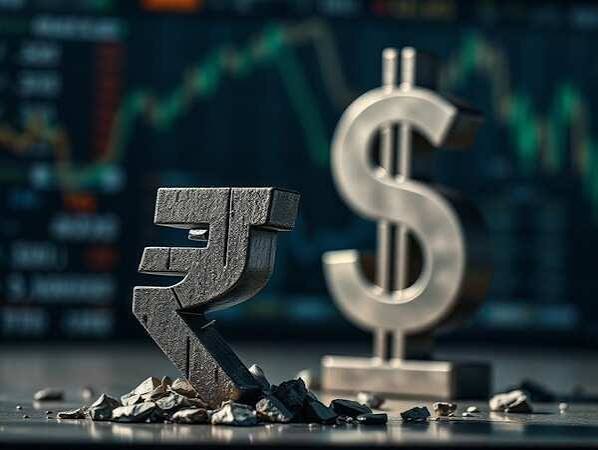
Consumers may also feel the impact of currency depreciation through higher prices of imported goods, including fuel, electronics, and certain raw materials. Higher import costs can contribute to inflationary pressures, affecting household budgets and business expenses.
The government and economic experts continue to focus on strengthening domestic manufacturing, increasing exports, and reducing dependence on imports. Initiatives supporting local production, renewable energy development, and supply chain improvements are considered important steps toward improving India’s external economic position.
India’s growing foreign exchange reserves, expanding domestic economy, and increasing role in global trade provide support to the rupee over the long term. However, global factors such as US monetary policy, international commodity prices, and geopolitical conditions will continue to influence currency movements.