
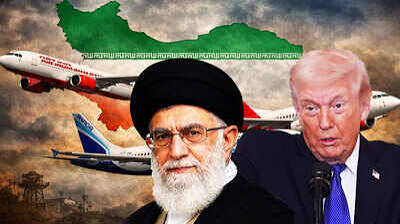
The global airline and tourism industries are facing another difficult period as the continuing Middle East conflict pushes up fuel costs, disrupts flight routes and changes the way travellers plan their trips. Airlines are having to deal with higher operating expenses at the same time as some tourism markets face weaker demand because of safety concerns, cancelled flights and uncertainty over future travel conditions.
Jet fuel has become one of the biggest concerns for airlines. According to the International Air Transport Association (IATA), the conflict has disrupted refined-fuel markets and pushed jet fuel prices sharply higher. Fuel normally represents around one-third of an airline’s total operating costs, meaning a sustained increase can have a direct impact on profitability.
The problem is not limited to the price of fuel itself. Restrictions and closures of airspace across parts of the Middle East have forced airlines to take longer routes. Longer flights mean higher fuel consumption, additional crew costs and increased aircraft utilisation. IATA has reported that around 10 airspaces in the region were affected by the conflict, forcing airlines to reroute or reschedule flights.
The disruption was particularly severe earlier in the year. During the first week of March, approximately 85% of flights arriving at or departing from Gulf airports were cancelled. By the end of March, fewer than half of the flights originally scheduled from those airports were operating. Airlines subsequently adjusted their summer schedules as uncertainty continued.
For airlines, this creates a difficult combination of higher costs and reduced operational efficiency. A carrier may have to fly around restricted airspace while carrying fewer passengers on affected routes. The result can be weaker margins even when ticket prices are increased.
Some airlines have responded by reducing capacity, changing routes and adjusting flight schedules. Others have raised fares to recover part of the additional fuel and operational costs. However, airlines cannot increase ticket prices indefinitely because consumers may postpone holidays or choose cheaper destinations.
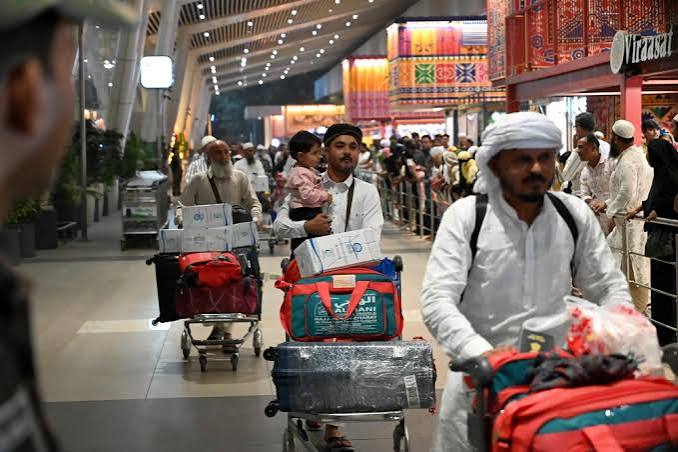
The tourism industry is also feeling the impact. Hotels, tour operators, travel agencies and local businesses in destinations directly connected to the Middle East are facing changes in visitor flows. The OECD’s latest tourism assessment says geopolitical instability and high costs are among the biggest challenges for the global tourism sector in 2026.
Travellers are not necessarily cancelling all their holidays, however. In many markets, people are changing where and when they travel. Some are choosing destinations considered safer or easier to reach, while others are booking closer to their departure dates and looking for more flexible cancellation options.
This shift could create winners as well as losers. Destinations that depend heavily on Middle Eastern aviation hubs may experience weaker visitor numbers, while alternative destinations could benefit from travellers changing their routes. Airlines operating outside the affected region may also gain additional passengers as travellers avoid certain transit hubs.
International tourism had shown resilience before the latest disruptions. UN Tourism reported that international tourist arrivals increased by 2% during the first quarter of 2026, despite the disruption caused by the Middle East crisis. That suggests global travel demand has not disappeared, but it is becoming more sensitive to price, safety and connectivity.
For airlines, the biggest concern is whether higher fuel prices remain elevated for a prolonged period. Some carriers use fuel-hedging strategies to protect themselves from sudden increases. IATA estimates that airlines have hedged roughly one-third of their expected fuel consumption for 2026, helping to reduce the immediate impact of price volatility. However, hedging does not completely protect airlines if high prices continue for a long time.
Recent airline results demonstrate the pressure. Air Canada recently reduced the range of its 2026 core-profit forecast, citing higher fuel costs linked to the conflict and disruptions in oil supplies. The airline said its fuel expense increased significantly year-on-year during the second quarter.
Tourism businesses are also facing higher costs beyond aviation. Hotels and restaurants have to deal with more expensive transportation, energy, food and staffing. If airlines raise fares at the same time, the total cost of a holiday can increase significantly, potentially forcing price-sensitive consumers to shorten trips or choose less expensive destinations.
For investors, the sector presents a mixed picture. Airlines with strong balance sheets, efficient fleets, good fuel-hedging positions and diversified networks may be better positioned to manage the disruption. Companies heavily dependent on Middle Eastern transit routes or exposed to high fuel prices could face greater pressure.
The situation also highlights the importance of efficient aircraft. Newer aircraft generally consume less fuel than older models, giving airlines with modern fleets an advantage when fuel prices rise. However, acquiring or leasing new aircraft is itself expensive, especially when global aircraft supply remains constrained.
The tourism industry could gradually adapt if travel routes stabilise and fuel prices begin to decline. But businesses are likely to remain cautious about capacity and investment decisions until there is greater clarity over geopolitical conditions.
For travellers, the immediate impact is likely to be higher prices, changes in flight schedules and greater uncertainty around some routes. Flexible bookings and checking airline and government travel updates have become increasingly important.
Overall, the Middle East conflict is creating a complicated environment for airlines and tourism companies. Higher fuel costs, longer flight routes and changing traveller behaviour are putting pressure on profitability, but global travel demand remains relatively resilient.
The industry’s performance in the second half of 2026 will depend heavily on how long the disruption lasts. If energy markets stabilise and airspace restrictions ease, airlines and tourism businesses could gradually recover. If fuel prices remain high and geopolitical uncertainty continues, companies may face another prolonged period of higher costs and unpredictable demand.