
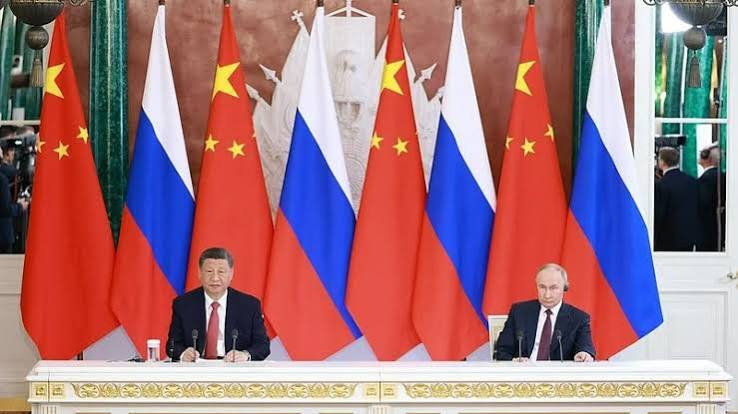
China and Russia have continued to strengthen their strategic partnership in 2026, focusing on trade, energy cooperation, military coordination, and diplomatic alignment on major global issues. Both countries have increased high-level meetings and joint initiatives, signaling a continued effort to deepen ties amid ongoing tensions with Western nations.
Recent discussions between officials from Beijing and Moscow focused on expanding energy exports, improving cross-border trade, and increasing investment in infrastructure projects. Russia has continued supplying oil, gas, and raw materials to China, while China exports manufactured goods, electronics, and industrial equipment to Russia. This exchange has helped both economies maintain trade stability despite international sanctions and restrictions affecting Russia.
Energy cooperation remains a key pillar of the relationship. Russia has increased pipeline gas deliveries to China, and both countries are exploring new long-term energy agreements. Analysts say this partnership helps Russia reduce reliance on European markets while giving China a more secure and diversified energy supply.

Military cooperation between the two countries has also continued through joint exercises and strategic dialogues. Although both governments emphasize that their cooperation is not directed against any specific country, Western nations have expressed concern about the growing alignment between the two powers. Joint naval drills and air force exercises have been conducted in recent years to improve coordination and readiness.
Diplomatically, China and Russia often take similar positions in international organizations such as the United Nations, particularly on issues involving sovereignty, sanctions, and global security frameworks. Both countries advocate for a multipolar world order, arguing that global decision-making should not be dominated by a single power bloc.
Trade between the two nations has grown steadily. Bilateral trade has reached record levels in recent years, supported by increased energy exports and the use of local currencies in transactions, reducing dependence on the U.S. dollar in some cases. This shift is seen as part of a broader effort to strengthen financial independence and reduce exposure to Western financial systems.
Infrastructure development is another area of cooperation. Projects involving railways, pipelines, and cross-border logistics networks are helping improve connectivity between the two countries. These developments are expected to further increase trade efficiency and regional economic integration.
Despite strong cooperation, experts say the relationship is based on strategic interests rather than a formal alliance. Both countries continue to prioritize their own national goals, and differences occasionally emerge on regional and economic issues. However, mutual benefits have helped maintain stable relations.