
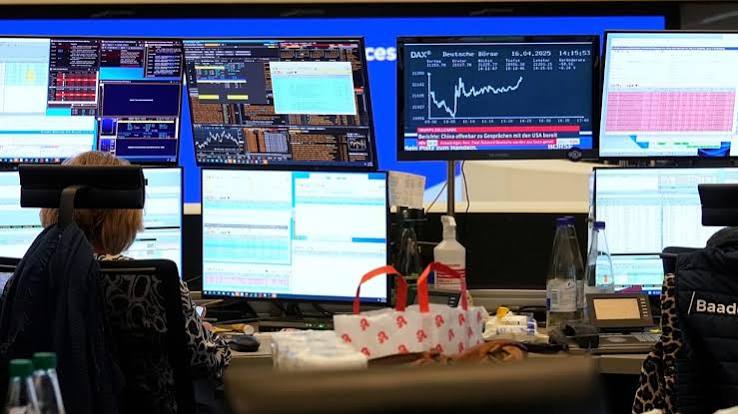
European stock markets opened slightly lower as investors adopted a cautious approach while assessing inflation trends and movements in global crude oil prices. Market participants remained focused on a combination of economic data, central bank expectations, and geopolitical developments, all of which continue to influence trading sentiment across the region.
The modest decline at the opening reflected investor uncertainty rather than widespread selling. Traders preferred to wait for fresh economic indicators and corporate updates before making significant investment decisions. Inflation remains one of the most important concerns for financial markets, as it directly affects consumer spending, business costs, and monetary policy decisions.
Inflation has been a key issue for European economies over the past few years. Although price pressures have eased from previous highs in many countries, policymakers continue to monitor inflation closely to ensure it moves toward long-term targets. Investors are paying particular attention to upcoming economic reports that could influence the future policy decisions of the European Central Bank (ECB).
Crude oil prices are another major factor affecting market sentiment. Oil influences transportation, manufacturing, logistics, and energy costs across various industries. When oil prices rise sharply, businesses often face higher operating expenses, which can reduce profit margins and increase inflationary pressure. On the other hand, softer oil prices can help ease cost pressures and improve business confidence.

Several sectors experienced mixed trading during the opening session. Energy companies reacted to movements in crude oil prices, while banking stocks remained sensitive to interest rate expectations. Technology and consumer-related shares also witnessed selective trading as investors evaluated growth prospects in an uncertain economic environment. Defensive sectors, including healthcare and utilities, attracted steady interest as investors sought relatively stable investments.
Market analysts believe that European equities will continue to be influenced by both domestic and international developments. Along with inflation and oil prices, investors are monitoring corporate earnings, economic growth forecasts, currency movements, and geopolitical events. These factors will play a significant role in determining short-term market direction.
Institutional investors are maintaining a balanced strategy by focusing on fundamentally strong companies with resilient earnings and healthy balance sheets. Rather than making aggressive investments, many portfolio managers are increasing exposure selectively while keeping sufficient liquidity to respond to changing market conditions.
Retail investors are also advised to avoid reacting to short-term market fluctuations. Financial experts recommend maintaining diversified portfolios and focusing on long-term investment objectives instead of attempting to predict daily market movements. Temporary weakness in equity markets often creates opportunities for disciplined investors who remain focused on quality businesses.
Looking ahead, European markets are expected to remain sensitive to inflation data, ECB policy signals, corporate earnings announcements, and developments in global commodity markets. If inflation continues to moderate and oil prices remain stable, investor confidence could gradually improve. However, persistent economic uncertainty may keep market volatility elevated in the coming weeks.