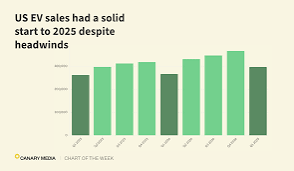
The electric vehicle (EV) industry continues to gain momentum as rising consumer demand, expanding production capacity, and ongoing technological advancements reshape the global automotive market. Governments, automakers, and battery manufacturers are investing heavily in electric mobility, making the sector one of the fastest-growing industries in recent years. Recent developments in EV sales and production indicate that the transition toward cleaner transportation is accelerating, supported by improved infrastructure, innovation, and increasing environmental awareness.
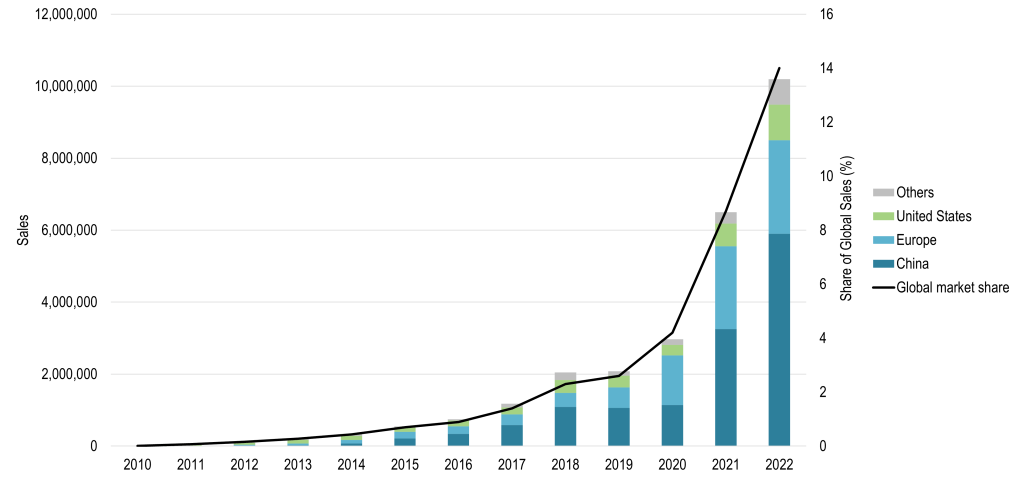
EV sales have shown steady growth across several markets as consumers become more interested in fuel-efficient and environmentally friendly transportation. Rising fuel prices, supportive government policies, tax incentives, and improved charging infrastructure have encouraged more buyers to consider electric vehicles as a practical alternative to conventional petrol and diesel-powered cars. The availability of a wider range of electric cars, SUVs, commercial vehicles, and two-wheelers has also contributed to growing market adoption.
Automobile manufacturers continue to expand their production capabilities to meet increasing demand. Several companies have announced investments in new EV manufacturing plants, battery assembly units, and component production facilities. These expansion plans are designed to improve production efficiency, reduce manufacturing costs, and shorten delivery timelines. As production volumes increase, manufacturers are also benefiting from economies of scale, making electric vehicles more affordable for consumers.
Battery technology remains one of the most important factors driving the growth of the EV industry. Companies are investing in research and development to improve battery performance, increase driving range, reduce charging time, and lower production costs. Advances in lithium-ion battery technology, battery recycling, and next-generation energy storage solutions are expected to further strengthen the competitiveness of electric vehicles in the coming years.
Charging infrastructure is expanding rapidly alongside vehicle production. Governments and private companies are increasing investments in public charging stations, fast-charging networks, and smart charging solutions to improve accessibility for EV owners. The availability of reliable charging infrastructure is reducing range anxiety and making electric mobility more convenient for both individual consumers and commercial fleet operators.
Commercial electric vehicles are also gaining attention as businesses look for cost-effective and sustainable transportation solutions. Logistics companies, public transportation operators, and delivery service providers are gradually adding electric buses, vans, and trucks to their fleets. Lower operating costs, reduced maintenance requirements, and environmental benefits make electric commercial vehicles an attractive option for businesses aiming to improve efficiency while reducing emissions.
The automotive supply chain is evolving to support rising EV production. Manufacturers are strengthening partnerships with battery suppliers, semiconductor companies, and component manufacturers to ensure a stable supply of essential materials. Investments in localized manufacturing and supply chain diversification are helping companies reduce dependency on imports while improving production flexibility and resilience.
Investors continue to show strong interest in the EV sector due to its long-term growth potential. Companies involved in vehicle manufacturing, battery production, charging infrastructure, software development, and renewable energy integration are attracting significant investment. Market participants believe that the continued expansion of electric mobility will create new business opportunities across multiple industries, including mining, electronics, energy, and digital technology.
Government policies remain an important catalyst for EV industry growth. Many countries continue to introduce incentives that support vehicle purchases, domestic manufacturing, battery production, and charging infrastructure development. Regulatory measures aimed at reducing carbon emissions and promoting sustainable transportation are encouraging automakers to accelerate their transition toward electric mobility while increasing investment in future technologies.
Despite strong growth, the industry continues to face certain challenges. The availability of critical minerals, battery raw material costs, charging infrastructure expansion, and global supply chain disruptions remain important considerations for manufacturers. Companies are addressing these issues through innovation, strategic partnerships, and investments in recycling technologies that improve long-term sustainability.
Competition within the EV market is becoming increasingly intense as established automobile manufacturers and new technology-focused companies introduce innovative products across different price segments. Consumers now have access to vehicles offering improved battery range, advanced safety features, connected technology, and enhanced driving experiences. This competitive environment is expected to encourage further innovation while improving product quality and affordability.
Looking ahead, industry experts expect EV sales and production to continue growing as technology advances, manufacturing scales up, and charging infrastructure becomes more widely available. Continued investment in battery innovation, renewable energy integration, and digital mobility solutions will further strengthen the industry’s long-term outlook. Companies that successfully combine innovation, efficient production, and customer-focused strategies are likely to remain leaders in the evolving electric mobility market.
Overall, recent developments in EV sales and production highlight a significant transformation in the automotive industry. As consumer preferences shift toward cleaner transportation and businesses continue expanding manufacturing capabilities, electric vehicles are expected to play an increasingly important role in the future of global mobility and sustainable economic growth.