

The U.S. labor market showed fresh signs of slowing this week as new employment data revealed that hiring has become more cautious across several industries. While the economy continues to create jobs, the pace of hiring has eased compared with previous months, raising questions about how businesses are responding to higher borrowing costs and changing consumer demand.
According to the latest government figures, employers added fewer jobs than many economists had expected. The unemployment rate remained relatively stable, but companies in sectors such as retail, manufacturing, and transportation reported slower recruitment. Many businesses said they are focusing on controlling costs rather than expanding their workforce.

Despite the slower hiring, the overall job market remains stronger than it was before the pandemic. Industries such as healthcare, education, and professional services continued to add workers, reflecting steady demand for essential services. Construction companies also reported moderate hiring as infrastructure projects moved forward in several states.
Small businesses have been especially cautious. Many owners say higher interest rates have increased the cost of borrowing, making it more expensive to invest in expansion or hire additional employees. Some companies are choosing to fill only critical positions while waiting for a clearer picture of the economy in the coming months.
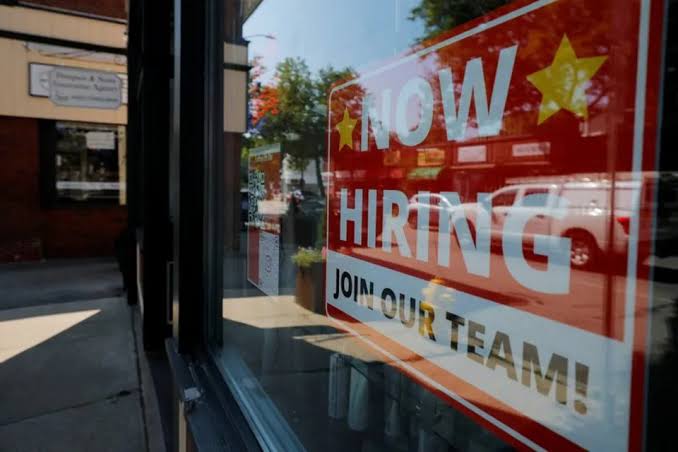
Workers are also noticing changes in the job market. While opportunities remain available, job seekers in some industries report that hiring processes are taking longer than before. Recruiters say employers are reviewing applications more carefully and conducting multiple rounds of interviews before making final decisions.
Economists believe the slower pace of hiring reflects the impact of the Federal Reserve’s efforts to control inflation. Higher interest rates have helped reduce price pressures, but they have also slowed spending by consumers and businesses. Policymakers are closely watching employment data to determine whether inflation is easing without causing a significant rise in unemployment.
Average wages continued to increase, although the growth was more moderate than earlier in the year. Higher wages have helped many workers keep up with living costs, but inflation has reduced the purchasing power of some households. Businesses say balancing higher labor costs with stable prices remains one of their biggest challenges.