

The global shipping and logistics industry is once again under pressure as freight costs rise and delivery times face delays across major trade routes. Businesses in Asia, Europe, and North America are reporting increased transportation expenses, raising concerns about the stability of global supply chains in 2026.
Shipping companies say the recent increase in costs is being driven by multiple factors, including higher fuel prices, congestion at major ports, and rerouted shipping lanes due to ongoing regional tensions. Some of the busiest sea routes, which handle a large portion of global trade, have seen slower movement of cargo ships, leading to backlogs at key ports.
Ports in Asia and Europe have reported longer waiting times for container unloading and customs clearance. In some cases, ships are forced to wait offshore for several days before they can dock. This has created a ripple effect across industries that depend on timely deliveries of raw materials and finished goods.

Retailers and manufacturers are feeling the impact the most. Companies that rely on just-in-time delivery systems are now adjusting their inventory strategies, holding larger stockpiles to avoid disruptions. However, this shift increases storage costs and affects overall profit margins.
In the automotive sector, several manufacturers have reported delays in receiving essential components such as semiconductors, steel parts, and electronic systems. This has slowed production in some factories, particularly in Europe and parts of Asia.
Energy transportation is also affected, with oil and gas shipments facing longer routes and higher insurance costs. Analysts say uncertainty in global shipping lanes has pushed up risk premiums, further increasing the cost of transporting energy resources.
Air cargo has seen similar trends, with demand rising due to delays in sea freight. However, higher aviation fuel costs and limited cargo capacity have kept air transport expensive, making it a less viable alternative for many companies.
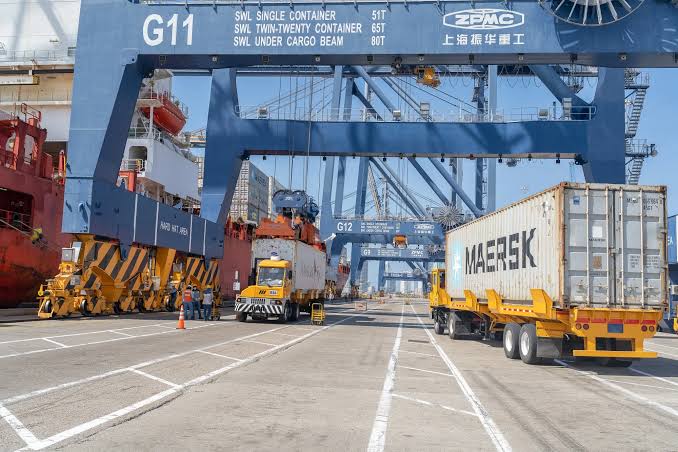
Experts say the situation reflects a fragile global trade environment. After earlier disruptions in previous years, supply chains had started to recover, but new geopolitical tensions and fluctuating energy prices have once again created instability in global logistics networks.
Economists warn that if shipping costs remain high for a prolonged period, consumers may eventually see price increases in everyday goods, including electronics, clothing, and food products. Businesses may pass on additional transportation costs to customers, contributing to inflationary pressure in several regions.
To manage the situation, companies are exploring alternative shipping routes and investing in regional supply chains. Some firms are also increasing automation in logistics operations to improve efficiency and reduce dependency on manual processes.
Despite current challenges, global trade continues to function at a large scale, with billions of dollars worth of goods moving daily across international borders. However, the rising cost of transportation highlights the ongoing vulnerabilities in the system.
Industry analysts believe that long-term stability will depend on improved port infrastructure, better international coordination, and reduced geopolitical disruptions affecting key trade routes.