

Gold and silver prices moved higher on the Multi Commodity Exchange (MCX) on Wednesday, August 12, as international bullion markets remained firm. The rise comes as investors continue to watch geopolitical developments, currency movements and expectations around global interest rates, all of which can influence demand for precious metals.
Gold and silver have remained important assets for investors during periods of uncertainty. When concerns about economic growth, inflation or geopolitical tensions increase, some investors turn toward precious metals as a way of diversifying their portfolios. This demand can support prices even when other financial markets are experiencing volatility.
The latest movement on MCX is also being supported by the strength of international bullion prices. Global gold and silver markets have been closely watched in recent sessions as traders assess the outlook for US monetary policy and the direction of the dollar. A weaker dollar generally makes dollar-denominated precious metals more affordable for buyers using other currencies, potentially supporting international demand.
Gold has traditionally benefited from expectations of lower interest rates because the metal does not pay interest or dividends. When bond yields fall, the opportunity cost of holding gold can become less attractive relative to interest-bearing assets. As a result, changes in expectations about central-bank policy can have a significant impact on bullion prices.
Silver is influenced by many of the same factors but has an additional connection with industrial demand. The metal is widely used in electronics, solar-energy equipment and several other industrial applications. This means silver prices can respond not only to investment demand but also to expectations about global manufacturing and technology activity.
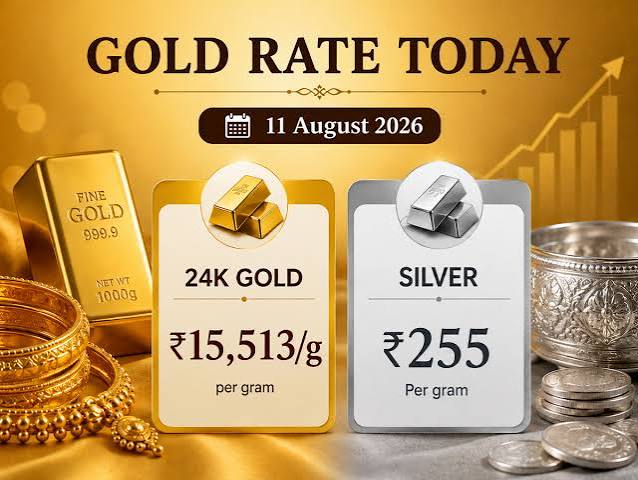
The recent strength in silver is therefore particularly interesting as demand for industrial metals remains closely connected with the expansion of renewable energy, electronics and advanced technology. At the same time, silver can be considerably more volatile than gold, meaning its price can move sharply in either direction.
Indian investors also need to distinguish between MCX prices and physical bullion prices. MCX quotes are futures-market prices, while the price paid for physical gold or silver can vary depending on purity, local demand, dealer premiums, taxes and other costs. This difference is important for consumers considering jewellery, coins or bars.
Gold and silver prices in India are also influenced by the rupee-dollar exchange rate. Because international bullion prices are generally quoted in US dollars, movements in the Indian currency can affect domestic prices even when global bullion prices remain relatively unchanged.
For example, a weaker rupee can make imported gold more expensive in India. Conversely, a stronger rupee can partly offset an increase in international gold prices. This makes currency movements an important factor for Indian bullion traders.
The geopolitical environment remains another major driver. Continued uncertainty in the Middle East has encouraged investors to monitor safe-haven assets closely. Any escalation that threatens energy supplies or global trade routes could increase demand for defensive assets, although precious-metal prices can also react negatively if the dollar and US Treasury yields rise sharply.
Investors are also watching inflation. Gold is often viewed as a hedge against the loss of purchasing power over long periods, although its short-term performance does not always move directly with inflation. Expectations about future inflation can influence investor demand and central-bank policy decisions.
Central-bank buying is another factor supporting the long-term gold market. Many central banks have increased their gold reserves in recent years as they look to diversify their foreign-exchange holdings. Strong official-sector demand can provide additional support to the market during periods when investment demand fluctuates.
For retail investors, the recent increase in prices is a reminder that precious metals can be volatile. Buying after a sharp rally purely because prices are rising can expose investors to short-term losses if the market reverses. Investors should therefore consider their investment horizon and overall asset allocation rather than focusing only on daily price movements.
Gold and silver can also play different roles in a portfolio. Gold is generally viewed as a defensive or wealth-preservation asset, while silver has a stronger industrial component and tends to experience larger price swings. The two metals should therefore not automatically be treated as identical investments.
The current MCX movement will remain sensitive to developments in global markets. Traders will continue to track the US dollar, bond yields, central-bank policy expectations, geopolitical news and international bullion prices for further direction.
For jewellery buyers, higher bullion prices could translate into increased retail prices, particularly when additional taxes and making charges are included. For investors holding physical metals, ETFs or other gold and silver-linked instruments, the market movement provides an opportunity to review portfolio exposure.
Overall, Wednesday’s rise in gold and silver on MCX reflects continued firmness in global bullion markets. While the broader outlook remains supported by uncertainty and investment demand, precious metals are still capable of sharp corrections.
The next major moves will depend on how global interest-rate expectations, currency markets and geopolitical conditions develop. For now, gold continues to attract investors seeking stability, while silver is benefiting from both investment interest and expectations surrounding industrial demand.