

The Government of India has approved a major infrastructure package worth ₹24,800 crore, reaffirming its commitment to strengthening the country’s physical and economic foundations. The investment is expected to support a wide range of infrastructure projects, including roads, railways, urban development, logistics, energy, and public utilities. The announcement has been welcomed by industry leaders, who believe it will create jobs, improve connectivity, and provide a significant boost to India’s long-term economic growth.
Infrastructure development has remained one of the government’s top priorities in recent years, with increased public spending aimed at improving transportation networks, industrial corridors, and essential public services. The latest investment package is expected to complement ongoing national initiatives focused on expanding modern infrastructure and enhancing India’s competitiveness in the global economy.
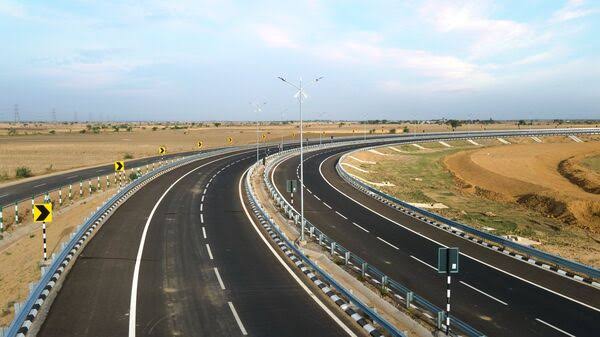
A significant portion of the approved funds is expected to be directed toward transportation infrastructure. Better highways, expressways, railway networks, and logistics hubs can reduce travel time, lower freight costs, and improve the movement of goods across the country. Improved connectivity not only benefits businesses but also strengthens supply chains and increases the efficiency of trade and commerce.
Urban infrastructure is also likely to receive considerable attention under the new package. Rapid urbanization has increased the demand for better roads, public transport systems, water supply, drainage networks, housing, and smart city projects. Investments in these areas can improve the quality of life for millions of citizens while supporting sustainable urban development.
The infrastructure push is expected to generate substantial employment opportunities across multiple sectors. Construction projects typically create large numbers of direct and indirect jobs for engineers, architects, skilled workers, equipment suppliers, transport companies, and service providers. Increased economic activity resulting from these projects may also benefit small businesses and local industries operating near project locations.
Industry experts believe that public infrastructure investment often encourages additional private sector participation. As government spending improves connectivity and industrial infrastructure, private companies become more willing to invest in manufacturing facilities, logistics centers, commercial real estate, and industrial parks. This multiplier effect can contribute significantly to long-term economic expansion.
The initiative is also expected to strengthen India’s manufacturing ecosystem. Better transportation and logistics reduce operational costs for businesses, making domestic manufacturing more competitive. Sectors such as automobiles, electronics, textiles, pharmaceuticals, and consumer goods could benefit from faster delivery networks and improved access to domestic and international markets.
Infrastructure development plays an important role in attracting foreign investment as well. Global investors often evaluate the quality of transportation, utilities, logistics, and industrial infrastructure before establishing operations in a country. Continued investment in these areas strengthens India’s position as an attractive destination for international businesses seeking long-term growth opportunities.
The government’s latest infrastructure commitment also supports broader national development goals, including regional connectivity and balanced economic growth. Improved infrastructure in developing regions can encourage industrialization, increase access to education and healthcare, and create new economic opportunities for local communities. Better connectivity also enables businesses to expand into previously underserved markets.
Financial markets generally view infrastructure spending as a positive indicator for economic growth because it stimulates demand across several industries simultaneously. Construction companies, cement manufacturers, steel producers, engineering firms, equipment suppliers, and logistics providers may all benefit from increased project activity. As execution progresses, these sectors could witness stronger order books and improved business prospects.
Technology and sustainability are expected to play an important role in the implementation of future infrastructure projects. Modern construction techniques, digital project management systems, renewable energy integration, and environmentally responsible planning are increasingly becoming essential components of large-scale infrastructure development. Such approaches can improve efficiency while supporting India’s long-term sustainability objectives.
While successful execution remains critical, the approval of the ₹24,800 crore infrastructure package demonstrates the government’s continued focus on building high-quality public assets that support economic development. Timely project implementation, transparent execution, and effective coordination between central and state authorities will be key factors in ensuring the initiative delivers its intended benefits.
Overall, the ₹24,800 crore infrastructure push represents another significant step toward strengthening India’s economic foundation. By investing in transportation, logistics, urban development, and essential public infrastructure, the government aims to create a more connected, productive, and competitive economy. If implemented efficiently, the initiative could stimulate investment, generate employment, improve business efficiency, and support sustainable economic growth for years to come.