

HDFC Bank has once again come into focus after the Reserve Bank of India dismissed concerns over “window dressing” by banks, saying that such practices provide little real benefit because investors, customers and regulators can assess a bank’s underlying financial position.
The comments from RBI Governor Sanjay Malhotra came amid discussions about banks potentially improving certain balance-sheet numbers around the end of a quarter. “Window dressing” generally refers to temporary steps taken by financial institutions to make key figures such as deposits or liquidity appear stronger around a reporting date.
The RBI governor’s message was that such practices would not provide a meaningful long-term advantage to regulated banks. Customers and other stakeholders are increasingly able to examine a bank’s financial performance, while regulators have access to detailed information beyond the headline numbers. (upstox.com)
The issue is particularly relevant for large banks because deposit growth, credit growth and liquidity are closely watched by investors. A temporary increase in deposits at the end of a quarter may improve a reported number, but it does not necessarily indicate stronger underlying business growth. Regulators therefore focus on the broader financial position of banks rather than looking at a single reporting date.
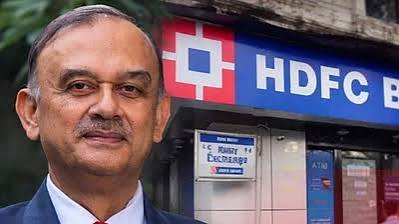
HDFC Bank also commissioned external law firms to examine allegations surrounding the former chairman’s comments. In June, the bank said the review found that the statements and their implications were not substantiated by the evidence examined.
The latest discussion around window dressing should therefore be viewed in the broader context of banking transparency and financial reporting. Banks regularly manage liquidity, deposits and other balance-sheet items as part of normal operations. The key issue for regulators is whether those activities accurately reflect the bank’s financial condition and comply with applicable rules.
For investors, the episode highlights why quarterly numbers should not be viewed in isolation. Deposit growth, loan growth and profitability are important, but so are asset quality, capital adequacy, liquidity, net interest margins and the quality of the bank’s loan book.
The banking sector is also operating in an environment where competition for deposits has increased. Banks need to attract deposits to support lending, while customers are becoming more sensitive to interest rates offered on savings accounts and fixed deposits.
For HDFC Bank, maintaining strong deposit growth while managing credit costs and profitability will remain important. As one of India’s largest private-sector banks, its performance can also influence sentiment across the broader banking sector.
The RBI’s comments are likely to provide some comfort to investors concerned about the reliability of banks’ reported numbers. The regulator’s stance suggests that it expects banks to maintain transparent and sustainable balance sheets rather than relying on short-term improvements around reporting dates.
Ultimately, the focus for HDFC Bank remains on its underlying financial strength and business performance. With the RBI maintaining that it has no material concerns about the bank’s conduct or governance, investors are likely to continue watching its earnings, deposits, credit growth and asset quality closely.
The broader message from the central bank is equally important: temporary changes in balance-sheet figures cannot replace genuine financial strength. For India’s banking system, transparency, adequate capital and sustainable growth remain more important than simply producing stronger numbers at the end of a quarter.