
Trade negotiations between India and United States are reportedly nearing completion, with both sides working to finalize a broad economic agreement aimed at reducing tariffs, improving market access, and deepening cooperation in key strategic sectors such as technology, energy, and manufacturing.
The proposed deal is expected to strengthen one of the world’s most important bilateral economic relationships. Officials from both countries have been engaged in sustained discussions focused on resolving long-standing trade disputes and creating a more predictable framework for goods, services, and investment flows.
A major focus of the agreement is tariff reduction. United States has been seeking improved access to India’s large and fast-growing consumer market, particularly in agriculture, automobiles, medical devices, and high-value industrial goods. In return, India is pushing for easier access for its exports, including textiles, pharmaceuticals, engineering products, and information technology services.
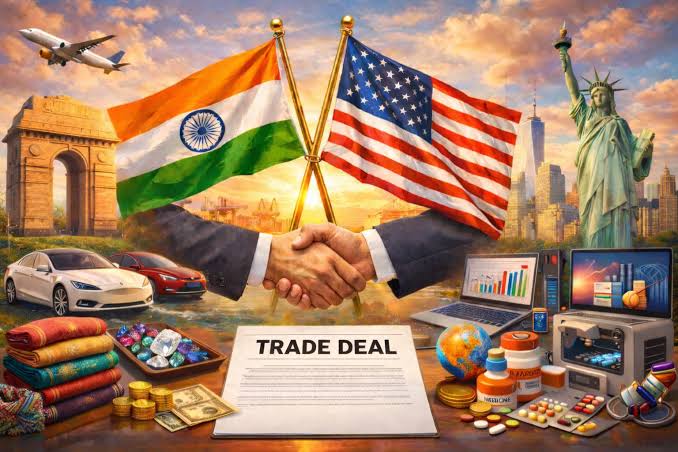
Technology and innovation are also central to the negotiations. Both countries are aligning on emerging sectors such as artificial intelligence, semiconductors, cybersecurity, and clean energy technologies. A potential agreement could encourage joint research, supply chain integration, and greater cross-border investment in advanced industries, strengthening economic resilience amid global supply chain shifts.
Energy cooperation is another key pillar. The United States has become an increasingly important supplier of crude oil and liquefied natural gas (LNG) to India. The proposed deal could expand long-term energy partnerships, including collaboration in renewable energy, hydrogen development, and energy infrastructure modernization.
Services trade, particularly in the IT and professional services sector, is expected to play a significant role. India’s technology industry could benefit from improved mobility for skilled professionals and expanded outsourcing opportunities, while US companies may gain broader access to India’s expanding digital and consumer markets.
The agreement also reflects broader geopolitical and economic shifts. As global supply chains diversify away from concentrated manufacturing hubs, both countries are seeking to build more resilient trade and investment networks. A stronger India–US economic partnership is seen as part of a wider strategy to enhance stability in global trade systems and reduce dependency risks.
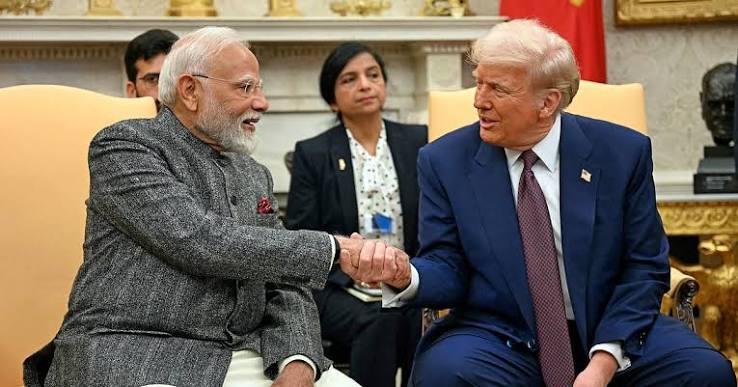
Despite progress, several issues remain under discussion. These include agricultural market access, digital trade regulations, data governance, intellectual property rights, and taxation policies. These sensitive areas will likely determine the final shape and timing of the agreement.
Economists suggest that if concluded, the deal could significantly boost bilateral trade volumes, increase foreign direct investment, and enhance economic growth in both countries. It could also accelerate cooperation in high-tech industries and strengthen supply chain security.
Overall, while negotiations are advanced, the final outcome will depend on resolving remaining policy differences. If successful, the agreement between India and United States would mark a major milestone in global trade relations and deepen one of the most strategically important economic partnerships in the world.