
Trade negotiations between India and United States have encountered renewed friction as disagreements over tariff structures and market access slow progress on a broader economic agreement. While both sides remain committed to strengthening trade ties, tariff-related disputes have become a key sticking point in finalizing a comprehensive deal.
A central issue is the level of import duties imposed on certain goods. The United States has been pressing for lower tariffs in India on agricultural products, industrial equipment, automobiles, and medical devices. American negotiators argue that high tariffs restrict fair access to one of the world’s fastest-growing consumer markets and create an uneven trading environment.
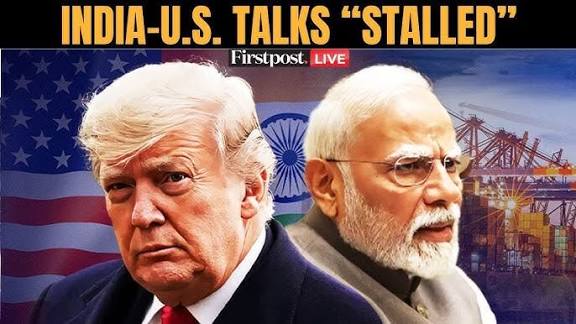
On the other hand, India has raised concerns about tariff and non-tariff barriers affecting its exports to the US, particularly in sectors such as textiles, pharmaceuticals, steel, and IT services. Indian negotiators are also seeking greater predictability in tariff policy, especially after periods of sudden duty changes that have impacted exporters.
The tension reflects broader differences in trade philosophy. The United States is pushing for more open market access and stronger intellectual property protections, while India is focused on protecting domestic industries, supporting small farmers, and maintaining policy flexibility for development goals.
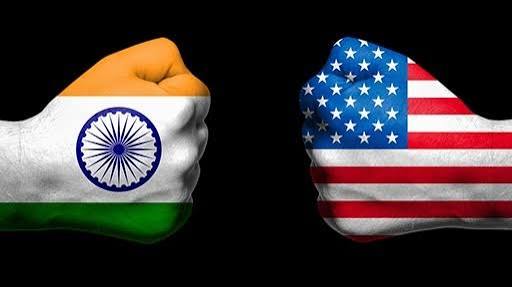
Tariffs have historically been one of the most sensitive areas in India–US trade relations. Previous discussions have seen disputes over steel and aluminum duties, agricultural imports, and digital trade regulations. While both countries have made progress in resolving certain issues, a fully comprehensive agreement has remained elusive.
Economists note that tariffs are not just economic tools but also political instruments, making them harder to negotiate. In the current talks, domestic pressure in both countries adds complexity. In the US, concerns about protecting local industries and jobs influence trade policy, while in India, agricultural livelihoods and industrial competitiveness remain politically sensitive.
Despite these challenges, both sides continue to emphasize the strategic importance of the partnership. Trade officials have indicated that discussions are ongoing to find a balanced approach that could include phased tariff reductions, sector-specific agreements, and improved dispute-resolution mechanisms.
Beyond tariffs, the negotiations also cover technology cooperation, energy trade, supply chain resilience, and investment flows. These areas are seen as long-term drivers of economic growth and are less politically sensitive, making them potential anchors for a broader agreement.
Experts believe that while tariff disagreements may delay a final deal, they are unlikely to derail the overall relationship. The growing alignment between India and United States in areas such as artificial intelligence, semiconductors, and clean energy is expected to keep negotiations moving forward.
Overall, the tariff issue highlights the complexity of modern trade negotiations, where economic interests, domestic politics, and strategic considerations intersect. Resolving these differences will be key to achieving a durable and balanced trade agreement between the two major economies.