

India is rapidly strengthening its position as a global manufacturing destination, with an increasing number of European companies expanding their production and sourcing operations in the country. The shift is being driven by the global China+1 strategy, under which multinational companies are diversifying their manufacturing bases to reduce dependence on a single country and build more resilient supply chains.
Industry experts say that India has become one of the most attractive alternatives because of its large domestic market, skilled workforce, competitive manufacturing costs, and supportive government initiatives such as Make in India and the Production Linked Incentive (PLI) schemes. These policies have encouraged both domestic and international companies to establish manufacturing facilities across sectors including electronics, automotive components, pharmaceuticals, engineering goods, textiles, and industrial equipment.
European manufacturers are increasingly viewing India not only as a production base for serving the domestic market but also as an export hub for global operations. Improved logistics infrastructure, modern industrial parks, dedicated freight corridors, and expanding port connectivity have enhanced India’s competitiveness in international manufacturing.
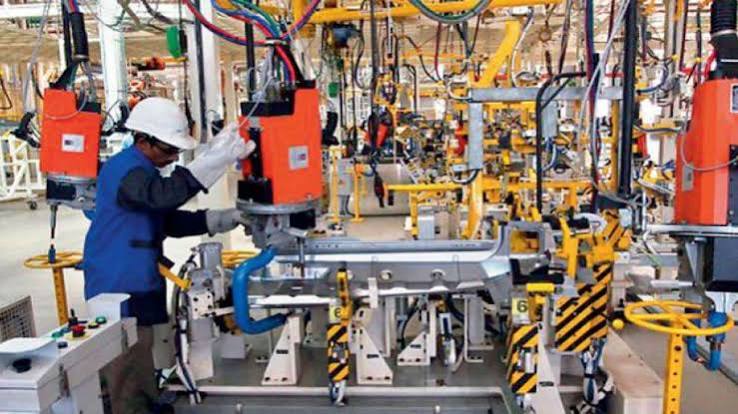
The electronics sector has emerged as one of the biggest beneficiaries of this trend. Several global manufacturers have expanded production capacity in India, supported by government incentives and growing local demand. The automobile and auto component industry has also witnessed fresh investments as global companies diversify their supply chains and seek reliable manufacturing partners.
Pharmaceutical manufacturing is another sector attracting European attention. India’s strong expertise in generic medicines, active pharmaceutical ingredients (APIs), and medical devices has strengthened its reputation as one of the world’s leading healthcare manufacturing centres. Companies are also exploring partnerships in chemicals, renewable energy equipment, precision engineering, and industrial machinery.
According to industry observers, geopolitical uncertainties and recent global supply chain disruptions have encouraged businesses to build geographically diversified production networks. India has benefited from this trend by offering policy stability, a large engineering talent pool, improving ease of doing business, and expanding free trade partnerships with several countries.
Government officials believe this growing interest from European manufacturers will generate significant employment opportunities while boosting exports and technology transfer. Increased foreign investment is also expected to strengthen local supplier ecosystems, helping Indian micro, small, and medium enterprises (MSMEs) become part of global value chains.
Manufacturing experts note that sustained investment in infrastructure, digital manufacturing, automation, and workforce skill development will be essential to maintain this momentum. As companies increasingly adopt Industry 4.0 technologies, Indian manufacturers are investing in robotics, artificial intelligence, smart factories, and advanced quality control systems to meet international standards.
Analysts believe that India’s manufacturing growth story is entering a new phase where the country is becoming a preferred long-term production partner rather than simply a low-cost manufacturing destination. With continued policy support, rising exports, and growing investor confidence, India is well-positioned to strengthen its role in global manufacturing over the coming years.
The increasing participation of European companies reflects India’s expanding importance in global industrial supply chains and reinforces the country’s ambition of becoming one of the world’s leading manufacturing economies.