
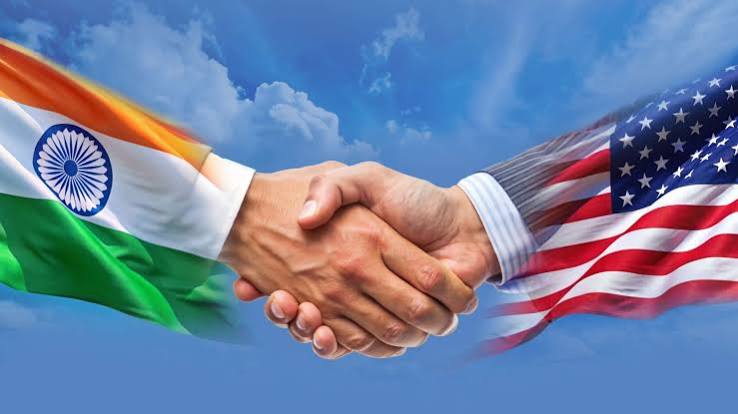
India and the United States are moving closer to a new trade agreement, with officials from both countries continuing discussions on several key economic and commercial issues. Market experts and business leaders believe that a mutually beneficial agreement could be finalized in the coming months if negotiations continue to make steady progress. Such a deal is expected to strengthen bilateral trade, encourage foreign investment, and create fresh opportunities for businesses operating in both countries.
India and the United States share one of the world’s fastest-growing economic partnerships. Over the past decade, trade between the two nations has expanded significantly across sectors such as information technology, pharmaceuticals, agriculture, manufacturing, energy, defense, and digital services. The proposed trade agreement is aimed at reducing trade barriers, improving market access, and making cross-border business easier for companies from both sides.
Business organizations are closely following the negotiations because the agreement could open new export opportunities for Indian industries. Sectors including textiles, engineering goods, pharmaceuticals, auto components, gems and jewelry, chemicals, and agricultural products are expected to benefit if trade restrictions are eased. At the same time, American businesses could gain improved access to India’s rapidly growing consumer market, creating new investment and expansion opportunities.
Trade officials from both countries are reportedly discussing a wide range of issues, including tariff reductions, customs procedures, digital trade, intellectual property protection, investment regulations, and supply chain cooperation. The objective is to establish a balanced framework that supports long-term economic growth while addressing the concerns of businesses in both countries. A successful agreement could improve the ease of doing business and strengthen commercial relations.
Experts believe that a comprehensive trade deal would also help diversify global supply chains at a time when businesses are looking for reliable manufacturing and sourcing destinations. India has been attracting increasing international investment due to its expanding industrial base, skilled workforce, and improving infrastructure. A stronger trade relationship with the United States could further enhance India’s position as a preferred global business destination.
The agreement could also have a positive impact on employment and economic development. Higher exports may encourage domestic manufacturing, while increased foreign direct investment could bring advanced technologies, innovation, and new business opportunities. Small and medium-sized enterprises (SMEs) may also benefit by gaining easier access to international markets and participating more actively in global supply chains.
Despite the positive outlook, several important issues still require detailed negotiations. Discussions continue on market access for agricultural products, tariff structures, regulatory standards, digital commerce, and sector-specific trade concerns. Trade experts note that agreements of this scale require careful balancing of national interests, making detailed negotiations an essential part of the process.
Overall, expectations surrounding the proposed India–US trade agreement remain optimistic. Businesses, investors, and industry associations are hopeful that continued dialogue will lead to a mutually beneficial outcome. If the agreement is concluded in the coming months, it could significantly strengthen bilateral economic cooperation, increase trade volumes, boost investment flows, and create long-term growth opportunities for both economies. As global trade continues to evolve, a stronger India–US trade partnership could become an important pillar of economic stability and business expansion in the years ahead.