

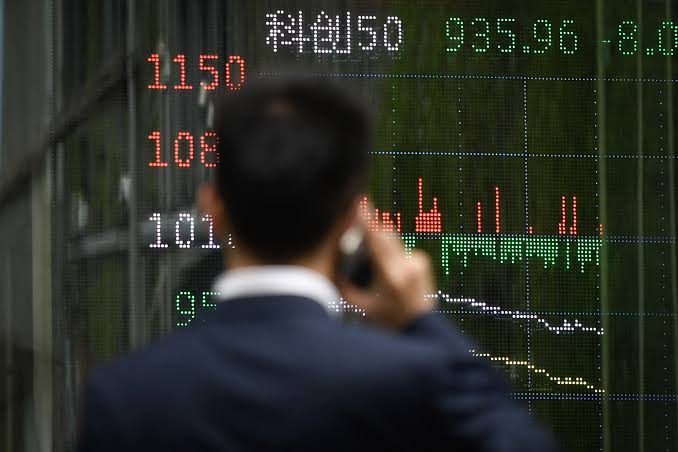
Global investors are keeping a close watch on China’s latest economic data as they look for signs about the direction of the world’s second-largest economy. Key indicators such as industrial production, retail sales, exports, imports, manufacturing activity, and economic growth are expected to provide valuable insights into the strength of China’s recovery. Since China plays a crucial role in global trade and manufacturing, its economic performance has a direct impact on financial markets, commodity prices, and investor sentiment across the world.
China remains one of the largest contributors to the global economy, with strong influence over sectors including manufacturing, technology, construction, energy, and consumer goods. As a result, every major economic report released by the country is closely analyzed by investors, businesses, and policymakers. Positive figures often boost confidence in global markets, while weaker-than-expected numbers can increase uncertainty and trigger cautious investment decisions.
Market analysts believe that stronger economic data from China could improve investor confidence and encourage higher investments in emerging markets. It may also support demand for commodities such as crude oil, copper, iron ore, and industrial metals, as China is among the world’s biggest consumers of these resources. On the other hand, disappointing economic numbers could lead to market volatility and increase demand for safer investment assets such as gold and government bonds.
The manufacturing sector remains one of the most closely watched areas of the Chinese economy. Factory output, export performance, and business activity provide important clues about domestic demand as well as international trade. If manufacturing activity continues to improve, it could strengthen global supply chains that have faced disruptions in recent years. Businesses around the world are therefore paying close attention to China’s industrial performance.
Retail sales and consumer spending are equally important indicators. A rise in domestic consumption suggests improving household confidence and stronger economic momentum. Higher consumer demand not only supports China’s internal growth but also benefits international companies that sell products and services in the Chinese market. Investors often use these figures to evaluate the long-term strength of China’s economic recovery.
China’s economic data also plays a significant role in currency and stock markets. Better-than-expected numbers may strengthen Asian markets and improve confidence among foreign investors. At the same time, weaker data could influence exchange rates, affect capital flows, and create pressure on global equity markets. Financial institutions and investment firms continuously assess these developments before making portfolio adjustments.
For countries like India, China’s economic performance is also important from a trade perspective. A healthy Chinese economy can increase demand for raw materials, industrial goods, and various exports from neighboring economies. It can also improve overall business confidence across Asia. However, slower economic growth in China may reduce global trade momentum and affect international investment flows.
Economists point out that no single data release provides the complete picture of an economy. Investors usually examine multiple indicators together, including inflation, employment, manufacturing, real estate activity, consumer demand, and government policy measures. This broader analysis helps them understand whether China’s economy is moving toward stable growth or facing new challenges in the months ahead.
As fresh economic data continues to emerge, global markets are expected to react accordingly. Investors, businesses, and policymakers will carefully evaluate every major indicator before making strategic decisions. China’s economic performance remains one of the most influential factors shaping international trade, investment trends, and financial market movements. The coming months will likely provide a clearer picture of how the world’s second-largest economy is performing and what it could mean for the global economy.