
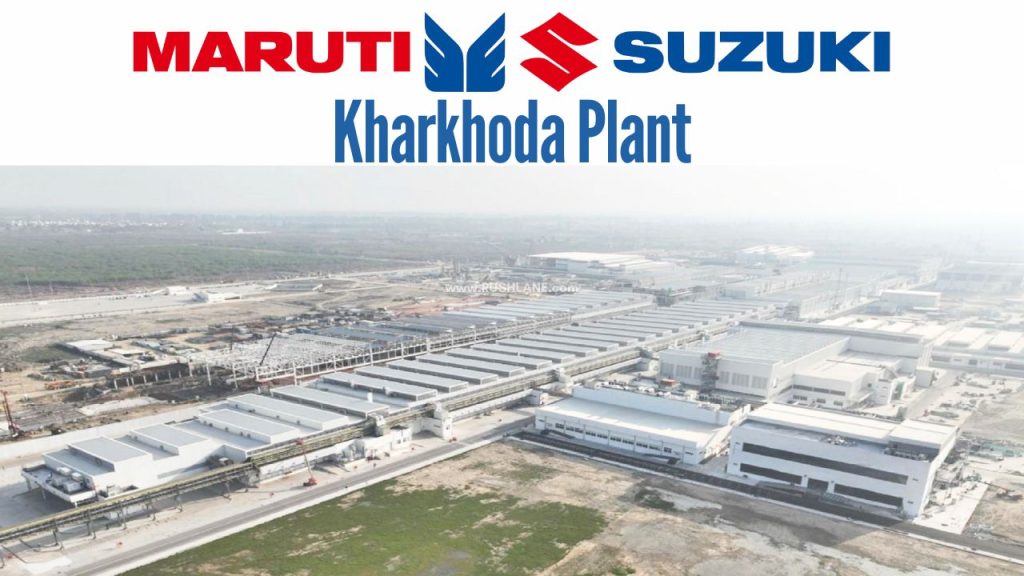
Maruti Suzuki India Limited has inaugurated a major new automobile manufacturing facility in Haryana, marking one of the company’s largest capacity expansion moves in recent years. The plant is expected to significantly strengthen India’s position as a global automobile production hub and support rising domestic and export demand for passenger vehicles.
The new facility is designed to expand production capacity for a range of vehicles, including compact cars, SUVs, and future hybrid and electric models. With India’s automobile market witnessing steady growth driven by rising incomes, urbanization, and increased mobility needs, the expansion is aimed at meeting both domestic demand and export requirements.
A key objective of the plant is to enhance manufacturing efficiency through advanced automation and modern production technologies. The facility integrates robotics, digital monitoring systems, and energy-efficient manufacturing processes, reflecting the broader shift toward Industry 4.0 practices in India’s automotive sector. This is expected to improve quality control, reduce production costs, and increase output consistency.
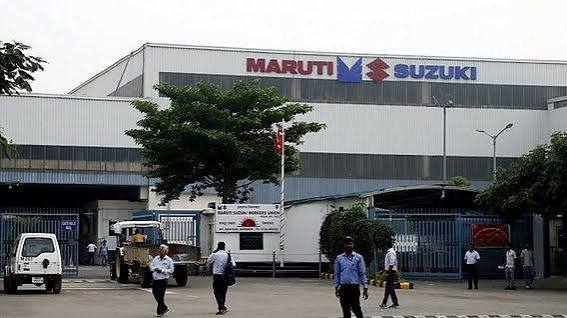
The investment also strengthens India’s role in global supply chains. Maruti Suzuki India Limited already exports vehicles to multiple international markets, and the new plant is expected to further boost export capacity, particularly to Africa, Latin America, and neighboring regions. This aligns with India’s broader goal of becoming a global manufacturing and export hub.
Employment generation is another major impact of the new facility. The plant is expected to create thousands of direct and indirect jobs across manufacturing, logistics, component supply, and services. In addition, it will support a wide ecosystem of small and medium enterprises (SMEs) involved in auto components, engineering, and ancillary services.
The expansion comes at a time when India’s automotive industry is undergoing a transition toward cleaner mobility. Manufacturers are increasingly investing in hybrid and electric vehicle technologies, driven by government incentives, stricter emission norms, and rising consumer interest in fuel-efficient vehicles. The new plant is expected to be future-ready, with capacity to adapt to evolving powertrain technologies.
Haryana continues to emerge as a major automotive manufacturing hub due to its strong industrial base, proximity to the National Capital Region, and well-developed logistics infrastructure. The region already hosts several major automotive and component manufacturers, creating a strong supply chain ecosystem.
Economists view such investments as a positive signal for India’s manufacturing growth story. Large-scale capacity expansions help attract further foreign investment, improve export competitiveness, and strengthen industrial output. They also support India’s broader “Make in India” initiative, which aims to increase the share of manufacturing in the economy.
However, the industry still faces challenges such as global supply chain volatility, semiconductor shortages, and rising competition from other emerging manufacturing hubs. Managing these risks will be crucial to sustaining long-term growth in the sector.