

Microsoft has issued a warning to travellers about a growing cybersecurity risk involving hotel Wi-Fi networks, advising people to be especially careful when connecting their phones, laptops and other devices to internet services while staying away from home.
The warning comes as hotels, airports, cafés and other public locations continue to provide convenient wireless internet access to travellers. While these networks make it easy to get online, they can also create opportunities for cybercriminals to target users who are not paying attention to basic security precautions.
According to Microsoft, attackers can use techniques such as evil-twin attacks, where criminals create a fake Wi-Fi network that looks similar to the legitimate network offered by a hotel. A traveller may see a familiar network name and connect without realizing that the connection is controlled by an attacker.
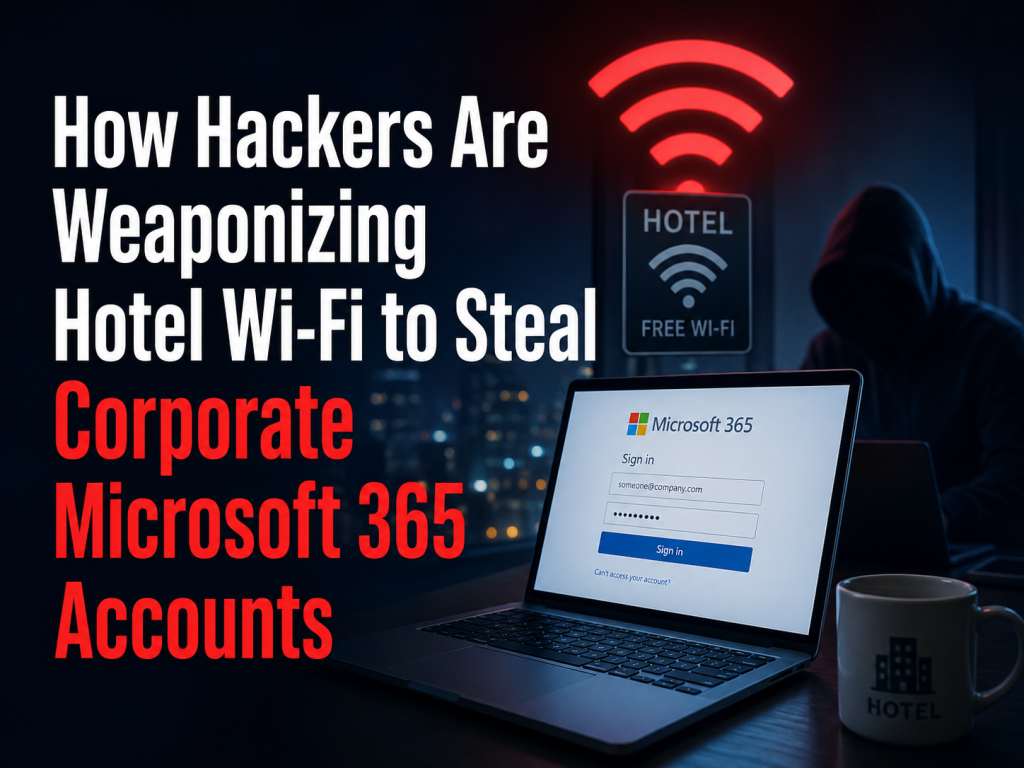
Once a victim connects to a malicious network, criminals may attempt to monitor network traffic, redirect users to fraudulent websites or trick them into entering sensitive information. The ultimate goal can include stealing passwords, financial information or other personal data.
Hotel Wi-Fi can be particularly attractive to attackers because many guests connect to the same network. A single compromised connection point may therefore provide criminals with access to a large pool of potential targets.
Microsoft has advised travellers to verify the exact Wi-Fi network name with hotel staff before connecting. This simple step can reduce the risk of accidentally joining a fake hotspot created by an attacker.
Travellers should also avoid carrying out highly sensitive activities on unfamiliar public networks whenever possible. Banking, entering payment-card details or accessing important business accounts can expose users to unnecessary risk if the network is compromised.
Using a virtual private network (VPN) can provide an additional layer of protection by encrypting internet traffic between the device and the VPN service. However, users should remember that a VPN does not protect against every type of cyberattack. For example, it cannot prevent someone from tricking a user into entering their password on a fake website.
Another important security measure is keeping devices updated. Operating-system and application updates often contain security fixes for vulnerabilities that criminals may attempt to exploit. Travellers should therefore install important updates before beginning a trip rather than waiting until they are already using unfamiliar networks.
Multi-factor authentication can also make a major difference. If a password is stolen through phishing or another method, an additional authentication step can make it harder for an attacker to access the account.
Travellers should also be careful when receiving unexpected emails or messages while staying at a hotel. Cybercriminals may use travel-related situations to make fraudulent messages appear more believable. A message claiming to come from a hotel, airline or booking service could contain a malicious link designed to steal login information.
The growing use of smartphones and laptops for travel has made digital security increasingly important. People now use their devices to access boarding passes, hotel reservations, work accounts, banking services and personal photographs. A compromised device can therefore expose far more information than just a single password.
Businesses also need to consider the risk. Employees travelling for work may connect company laptops to hotel or public networks. If those devices are compromised, attackers could potentially gain access to corporate accounts or sensitive business information.
The warning does not mean travellers should completely avoid hotel Wi-Fi. Public wireless networks can be useful and are often necessary. The key is to treat them as untrusted connections and use sensible security practices.
Travellers should check network names carefully, avoid automatically connecting to unfamiliar Wi-Fi, use mobile data when appropriate and make sure important accounts have multi-factor authentication enabled.
As cybercriminals become more sophisticated, attacks increasingly rely on human behaviour rather than simply exploiting technical weaknesses. A fake Wi-Fi network can succeed because it looks legitimate and catches a traveller at a moment when they simply want to get online.
Microsoft’s warning is therefore a useful reminder that cybersecurity does not stop when someone leaves home. Hotel rooms, airports and public spaces can all become targets for digital attacks.
For travellers, taking a few extra seconds to verify a network and using basic security protections can significantly reduce the chances of falling victim to a cyberattack while abroad or away from home.