

The Middle East remains tense as several countries in the region deal with ongoing conflict situations, political developments, and shifting diplomatic relations. Recent days have seen a mix of military activity, large public events, and international efforts aimed at reducing escalation and restoring stability.
In Iran, authorities have begun a large-scale funeral ceremony for the country’s late Supreme Leader, drawing massive crowds in Tehran and other major cities. The state-organized ceremonies are expected to continue for several days, with millions of people reportedly participating in public gatherings and memorial processions. Foreign delegations from various countries have also arrived to attend the events, highlighting Iran’s continued diplomatic ties with several regional and global powers despite recent tensions.

At the same time, security conditions in parts of the region remain fragile. Reports indicate that recent months of conflict involving Iran, Israel, and the United States have created wider instability across key waterways and neighboring countries. The Strait of Hormuz, a critical global shipping route, has seen increased attention due to earlier disruptions and concerns about safe passage for oil and commercial vessels.
In Israel and the occupied Palestinian territories, tensions remain high as settlement expansion and security operations continue to shape daily life. Recent reports show new settlement approvals and ongoing disputes over land access in the West Bank, leading to criticism from Palestinian authorities and international observers. These developments have further complicated already strained relations in the region.
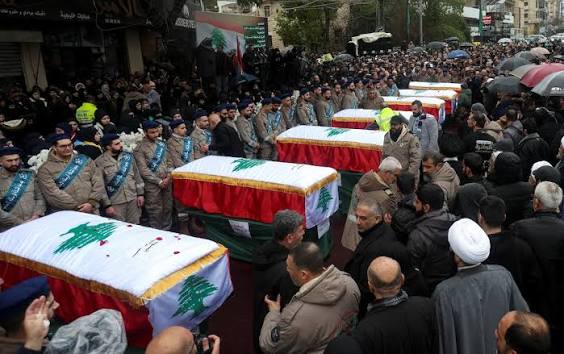
Lebanon also continues to face security and political pressure following earlier military exchanges in the south. Although ceasefire arrangements have reduced large-scale fighting, isolated incidents and border tensions remain a concern for both local authorities and international peace monitors. Reconstruction and civilian return efforts are ongoing, but progress remains slow due to instability and damage in affected areas.
In Syria, violence continues to impact civilian life, with reports of recent attacks in urban areas such as Damascus. Local authorities have increased security measures and launched investigations into incidents targeting public places. Humanitarian organizations warn that civilians remain vulnerable, especially in regions where infrastructure and emergency services are still recovering from years of conflict.
Meanwhile, in Yemen, armed groups have issued new warnings regarding regional airspace and maritime routes, adding further uncertainty to an already complex security landscape. International coalitions and neighboring governments have reiterated that attacks on civilian or commercial routes will not be tolerated, signaling continued military readiness if tensions escalate further.