
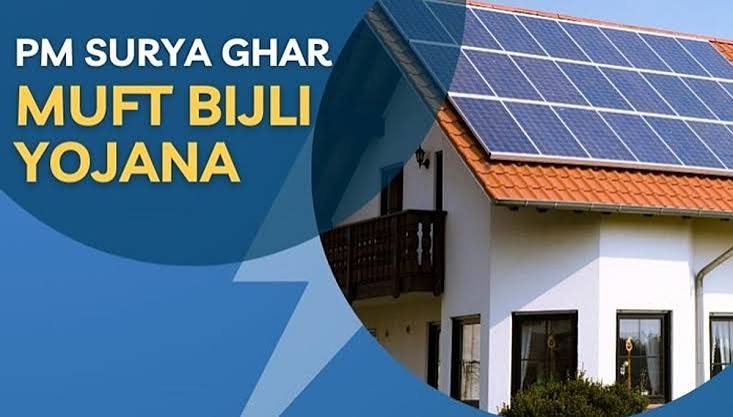
India’s transition towards clean and sustainable energy continues to gain momentum as the PM Surya Ghar: Muft Bijli Yojana remains one of the government’s flagship initiatives in 2026. Launched to encourage the adoption of rooftop solar systems in residential homes, the scheme is helping millions of families reduce their electricity expenses while supporting the country’s ambitious renewable energy goals. The programme has become a key pillar of India’s strategy to expand clean power generation, lower carbon emissions, and promote energy independence.
The central objective of the scheme is to install rooftop solar panels in one crore households across the country. By generating electricity at home, families can significantly reduce their dependence on conventional power supplied through the grid. In many cases, households are expected to save thousands of rupees annually on electricity bills. The initiative also allows eligible consumers to benefit from net metering, enabling them to supply surplus electricity back to the grid where state regulations permit.
To make rooftop solar systems more affordable, the government provides financial assistance through Central Financial Assistance (CFA). Eligible households can receive subsidies based on the capacity of the solar system installed, with support reaching up to ₹78,000 for larger residential systems under the current guidelines. The subsidy is directly transferred to beneficiaries after successful installation and verification, making the process transparent and efficient.

The government has also simplified the application process through the official PM Surya Ghar portal. Citizens can apply online, select approved vendors, track installation progress, and monitor subsidy status digitally. This digital-first approach has reduced paperwork and improved accessibility for applicants across urban and rural areas.
Apart from reducing household electricity costs, the scheme is creating new economic opportunities. The growing demand for rooftop solar installations has increased employment in manufacturing, installation, maintenance, electrical engineering, and technical support services. Thousands of technicians, engineers, electricians, and small businesses are expected to benefit from the expanding solar ecosystem.
Another important aspect of the programme is its contribution to India’s environmental commitments. Solar energy is a clean and renewable source of power that reduces dependence on fossil fuels such as coal. By encouraging rooftop solar adoption, the government aims to lower greenhouse gas emissions, improve air quality, and accelerate progress toward India’s long-term climate goals, including achieving net-zero emissions by 2070.
The initiative is also strengthening domestic manufacturing under the government’s broader vision of self-reliance. Increased demand for solar panels, modules, inverters, and related equipment is supporting Indian manufacturers and encouraging investment in renewable energy technologies. This not only reduces import dependence but also strengthens India’s position as a global renewable energy market.
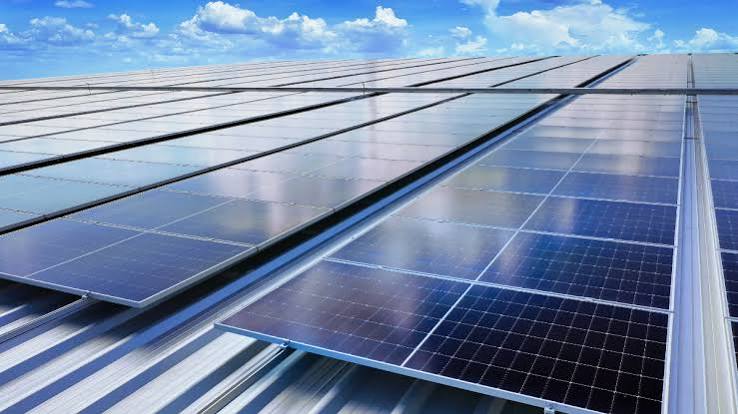
Experts believe that widespread rooftop solar adoption can improve the stability of the country’s electricity system by decentralising power generation. Producing electricity closer to where it is consumed helps reduce transmission losses and eases pressure on the national grid during periods of high demand.
As awareness about renewable energy continues to grow, more households are showing interest in adopting solar technology. Government awareness campaigns, financial incentives, and simplified procedures have contributed to increasing participation in the scheme. Several states are also complementing the central programme with additional incentives and faster approvals to encourage wider adoption.
Overall, the PM Surya Ghar: Muft Bijli Yojana continues to play a significant role in India’s clean energy transformation. By making rooftop solar affordable, supporting employment, strengthening domestic manufacturing, and helping households save on electricity costs, the initiative reflects the government’s commitment to building a sustainable and energy-secure future. As implementation progresses in 2026, the scheme is expected to contribute substantially to India’s renewable energy capacity while improving the quality of life for millions of citizens.