

India is moving steadily towards a cleaner and more sustainable transportation system with the continued implementation of the National Electric Vehicle (EV) Policy 2026. The policy is designed to accelerate the adoption of electric vehicles across the country by promoting cleaner mobility, reducing dependence on fossil fuels, and supporting the growth of the domestic EV manufacturing industry. As the demand for eco-friendly transportation increases, the government’s policy aims to make electric vehicles more affordable, accessible, and practical for consumers and businesses alike.
One of the major objectives of the policy is to reduce carbon emissions and improve air quality in cities. Road transport is one of the largest contributors to air pollution and greenhouse gas emissions in India. By encouraging the use of electric cars, two-wheelers, buses, and commercial vehicles, the government hopes to reduce pollution while supporting India’s long-term climate commitments. The shift to electric mobility is also expected to lower the country’s dependence on imported crude oil, improving energy security and reducing the fuel import bill.
The policy provides a range of incentives to support EV adoption. These include financial benefits for eligible electric vehicle buyers, tax incentives, and support for the expansion of charging infrastructure. The government is working closely with state governments and private companies to establish a widespread network of EV charging stations across highways, cities, and residential areas. Improved charging facilities are expected to address one of the biggest concerns among potential EV buyers—charging accessibility.
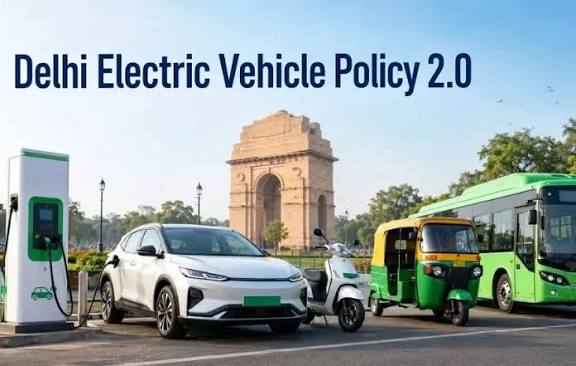
Another key focus of the National Electric Vehicle Policy 2026 is strengthening India’s manufacturing ecosystem. The government is encouraging domestic production of electric vehicles, batteries, motors, and other essential components through production-linked incentives and investment support. This initiative is expected to reduce dependence on imports while creating a strong local supply chain for the rapidly growing EV industry.
The policy is also creating new employment opportunities across multiple sectors. As investments increase in EV manufacturing, battery production, charging infrastructure, research, and maintenance services, thousands of skilled and semi-skilled jobs are expected to be generated. Automobile manufacturers, technology companies, battery manufacturers, and startups are likely to benefit from the growing demand for electric mobility solutions.
Battery technology remains a crucial part of India’s EV strategy. The government continues to support research and development aimed at improving battery efficiency, reducing charging time, and lowering production costs. Advancements in battery technology are expected to make electric vehicles more affordable while increasing driving range and overall performance.
Public transport is another major area covered under the policy. Several cities are expanding their fleet of electric buses to provide cleaner and more efficient transportation services. Electrification of public transport can significantly reduce urban pollution while lowering operational costs over the long term. Many state governments are also introducing additional incentives to encourage the adoption of electric buses, taxis, and commercial fleets.

Industry experts believe that India’s electric vehicle market has significant growth potential over the next decade. Rising fuel prices, increasing environmental awareness, improved vehicle technology, and expanding charging infrastructure are encouraging more consumers to consider electric vehicles as a practical alternative to conventional petrol and diesel vehicles.
The government is also promoting innovation by supporting startups working in battery recycling, charging technologies, energy storage, and smart mobility solutions. These innovations are expected to strengthen India’s position as a global hub for clean transportation technologies while supporting economic growth.
Overall, the National Electric Vehicle (EV) Policy 2026 represents an important step in India’s transition towards sustainable mobility. By encouraging EV adoption, supporting domestic manufacturing, expanding charging infrastructure, creating employment, and reducing pollution, the policy aligns with the country’s vision of building a cleaner, greener, and energy-efficient transportation system. As implementation continues, the policy is expected to play a vital role in transforming India’s automobile sector while contributing to environmental sustainability and long-term economic development.