

Poland is bringing back temporary measures to reduce fuel prices as rising energy costs begin to put pressure on households, transport companies and businesses. Prime Minister Donald Tusk announced on Thursday that the government will reintroduce fuel-price relief during the final two weeks of August, after prices increased again following renewed volatility in global energy markets.
The main measure will be a temporary reduction in the value-added tax on fuel from 23% to 8%. According to the government, the tax change could lower the price paid by consumers by around 0.90 to more than 1 zloty per litre, depending on the type of fuel. The government also plans to introduce daily maximum fuel prices from August 17 through August 31.
The decision comes only weeks after Poland ended earlier emergency measures designed to control fuel prices. Those measures were introduced in March when energy prices jumped sharply amid the conflict involving Iran and the United States and Israel. At the time, the Polish government used a combination of tax reductions and price controls to prevent the full increase in global energy costs from reaching consumers.
The earlier programme included a temporary reduction in VAT, lower excise duties and mechanisms to limit retail fuel prices. Official Polish government documents show that the March package reduced the VAT rate on liquid fuels from 23% to 8% and lowered excise-duty rates on certain motor fuels.
The measures were suspended at the end of June after global energy markets appeared to stabilise. However, fuel prices have risen again, creating renewed pressure on the government to act. Prime Minister Tusk had already warned in July that Poland could intervene again if fuel-price volatility continued.
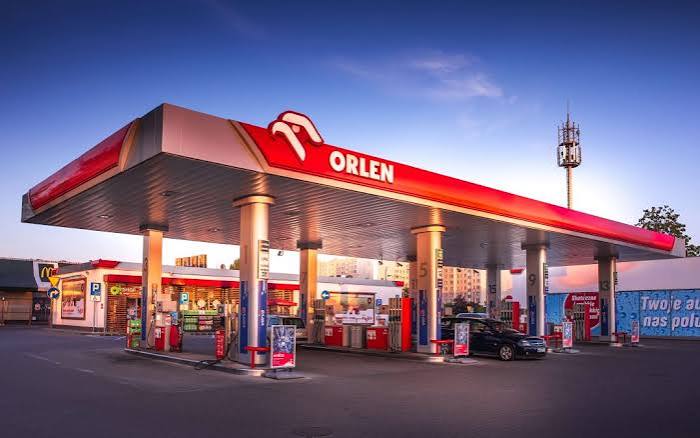
For ordinary consumers, the biggest impact will be felt at petrol stations. Lower taxes should help reduce the amount drivers pay for petrol and diesel, particularly at a time when households are already dealing with higher costs in several areas.
Businesses are also closely watching the government’s decision. Transport companies, delivery services, construction firms and other businesses that depend heavily on fuel can see their operating costs rise quickly when diesel prices increase. Lower fuel taxes could therefore provide some relief to companies and help prevent higher transportation costs from spreading through the wider economy.
The government is also concerned about the broader inflationary impact of expensive fuel. Higher transport costs can eventually push up the prices of food, manufactured goods and other products because companies often pass part of their additional logistics costs on to customers.
Poland’s latest move is part of a wider European response to the energy-price shock. Governments in several countries have introduced temporary tax cuts, subsidies, price controls or other measures to protect households and businesses from sudden increases in fuel and energy costs. The International Energy Agency is tracking these measures as governments respond to the ongoing energy crisis.
However, fuel tax cuts also create a challenge for government finances. Lower VAT and excise-duty collections mean less revenue for the state at a time when governments are already facing increased spending pressures. Poland has therefore been considering other ways to help finance its fuel-relief programme.
Earlier this year, the government proposed a windfall tax on oil and fuel companies, arguing that some companies could benefit from unusually high profits during the energy-price shock. The proposed measure was intended to help cover the cost of fuel tax reductions.
The latest relief programme is temporary, meaning consumers should not assume that lower fuel taxes will continue indefinitely. The government’s decision will depend heavily on what happens to global oil prices and energy-market conditions over the coming weeks.
For Poland, the immediate priority is to prevent another sharp increase in fuel prices from hurting households and businesses. At the same time, policymakers will need to balance consumer support with the cost of the measures and the country’s broader fiscal position.
The move shows how quickly governments can be forced to respond when global energy markets become unstable. If international fuel prices remain high, Poland could face pressure to extend or expand its relief measures. If prices stabilise, however, the government may gradually return to normal fuel taxation.
For now, the message from Warsaw is clear: Poland is willing to temporarily cut fuel taxes and intervene in the market again to protect consumers and businesses from another surge in energy costs.