
The Reserve Bank of India (RBI) has highlighted concerns over rising household debt and rapid growth in certain retail loan segments, especially gold-backed loans, while stating that India’s banking system remains strong and well-capitalized. The central bank’s latest Financial Stability Report (FSR) noted that banks have maintained healthy asset quality, but increasing consumer borrowing requires careful monitoring.
According to the RBI report, Indian banks are expected to maintain a gross non-performing asset (NPA) ratio below 2% in the coming years under normal economic conditions. The banking sector has shown improvement in loan quality, profitability and capital strength, reducing concerns about major financial instability.
However, the RBI has raised concerns about the fast growth of household borrowing. Consumer loans, personal loans and gold-backed loans have expanded significantly as more people use credit for personal needs, business requirements and emergency expenses. The central bank has advised lenders to maintain strict risk assessment while expanding retail lending.
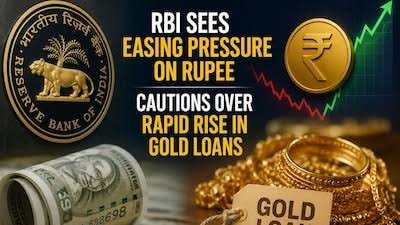
Gold loans have become one of the fastest-growing segments in retail lending. The RBI noted that gold-backed borrowing has increased rapidly in recent years. While gold loans provide quick access to funds, the central bank has warned banks and financial institutions to carefully monitor collateral values and repayment capacity, especially during periods of gold price volatility.
The RBI also highlighted cybersecurity as a major challenge for India’s financial system. With increasing digital banking and online transactions, artificial intelligence-based cyberattacks are emerging as a significant risk for banks and financial institutions. The central bank has encouraged stronger cybersecurity frameworks, employee training and advanced fraud detection systems.
Digital payments continue to remain a key focus area for the RBI. The central bank is working on improving payment security, reducing fraud risks and making digital transactions safer for customers. New security measures and stronger authentication systems are being introduced to protect users from online financial fraud.
The RBI is also continuing its cautious approach toward cryptocurrencies. The central bank has expressed concerns about the difficulty of regulating digital assets and highlighted risks related to financial crime, money laundering and consumer protection.
For common citizens, the latest RBI update highlights the importance of responsible borrowing and financial planning. Consumers should carefully evaluate loan requirements, compare interest rates and avoid taking excessive debt without a clear repayment plan.
Investors and depositors can take confidence from the overall stability of India’s banking sector, but experts suggest monitoring developments related to inflation, credit growth, digital fraud and regulatory changes.
Overall, the RBI’s latest report shows a balanced picture of India’s financial system — strong banking fundamentals with growing attention toward new risks such as household debt, digital fraud and rapid expansion of retail credit.