
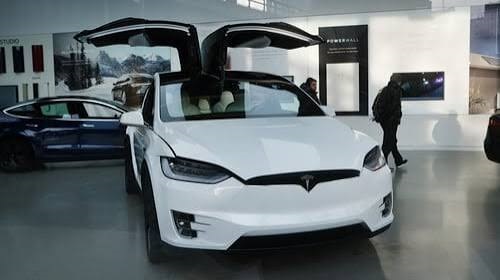
China has announced one of the biggest vehicle recall campaigns in its history, with Tesla and several other automakers recalling millions of vehicles over concerns that passengers may have difficulty opening the doors during an emergency.
The recall affects about 4.3 million vehicles, according to reports, making it the largest automotive recall in China so far. Tesla accounts for nearly 3 million vehicles, including several versions of the Model 3, Model Y, Model S and Model X. Other companies involved include Xiaomi, Leapmotor, Xpeng and Geely.
The main concern is linked to modern electronic and concealed door handles. These handles have become increasingly common on electric vehicles because they give cars a clean, modern appearance and can also help reduce air resistance. However, they can become difficult to use when a vehicle loses electrical power after a serious crash.
In a normal situation, the doors can be opened electronically with little effort. The problem can arise when the vehicle’s electrical system stops working. In such a situation, passengers may have to find a mechanical emergency release. Regulators are concerned that these releases may not be easy to identify or operate quickly, especially when people are injured, frightened or trying to escape from a damaged vehicle.
Tesla’s recall in China covers more than 2.9 million domestically produced vehicles, according to China’s State Administration for Market Regulation. The regulator said some emergency mechanical door handles are difficult to identify because their color is similar to the surrounding interior. Tesla will use software updates to improve the vehicle’s response after a serious accident and will add warning labels where necessary.
The issue has attracted particular attention as electric vehicles have become more advanced. Many manufacturers have moved away from traditional door handles and adopted electronic systems. While these designs offer convenience and a futuristic appearance, the latest recall shows that basic safety features still need to work when a vehicle’s electronics fail.
China’s regulators have also announced tougher rules for the future. The country plans to prohibit certain fully concealed door-handle designs from 2027, reflecting growing concerns about emergency access. The move could influence how automakers design their next generation of electric vehicles, not only in China but potentially in other markets as well.
The recall comes at a time when Chinese authorities are increasing scrutiny of the country’s rapidly growing electric-vehicle industry. Chinese EV manufacturers have expanded quickly, introducing vehicles packed with software, cameras, electronic controls and other advanced technology. Regulators are now placing greater emphasis on making sure those features do not compromise basic safety.
Tesla is also facing a separate recall in China involving more than 2.7 million domestically produced Model 3 and Model Y vehicles. That action concerns driver-monitoring technology used with assisted-driving functions. Tesla plans to improve the system through an over-the-air software update that adds cabin-camera monitoring to the existing steering-wheel monitoring system.
For vehicle owners, the latest recall does not necessarily mean that their cars are unsafe to drive immediately. Instead, affected owners should follow instructions from the manufacturer and complete the required software update or other corrective action. Tesla and the other manufacturers are expected to notify affected customers about the recall process.
The wider significance of the recall goes beyond Tesla. It is a reminder that as cars become more dependent on electronics and software, manufacturers must make sure that essential functions remain simple and reliable during emergencies. A sleek design may look impressive, but when a crash happens, passengers need a door that can be opened quickly and easily.
The Chinese recall could therefore become an important turning point for the global electric-vehicle industry, pushing automakers to put emergency safety ahead of design trends and technological convenience.