
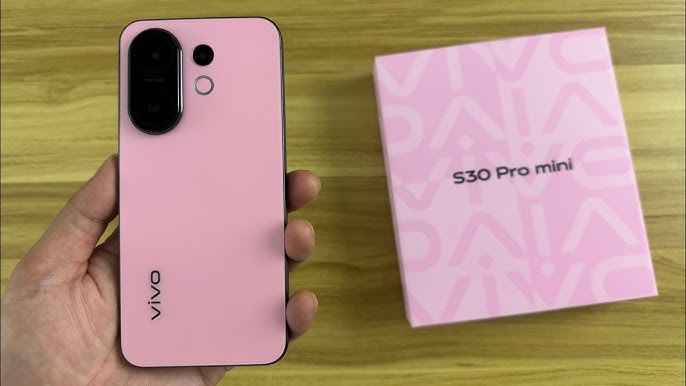
Vivo is continuing to push aggressively in the smartphone market with a new wave of devices that focus heavily on AI-powered photography, improved portrait imaging, and enhanced low-light performance. The company, known for its camera-first approach in mobile phones, is now shifting its strategy toward integrating more advanced artificial intelligence features directly into its camera systems and user experience.
In its latest direction, Vivo is refining its flagship and mid-range smartphone lineup to compete more strongly with brands like Samsung, Xiaomi, and Oppo in the premium segment. The key highlight of this shift is the use of AI image processing algorithms that automatically adjust lighting, skin tone, background blur, and color balance in real time while taking photos.

The new generation of Vivo phones is also focusing on night photography improvements, where the AI system reduces noise and enhances clarity even in extremely low-light conditions. This is particularly aimed at users who rely heavily on smartphone cameras for social media content creation, travel photography, and short-form video platforms.
Along with camera upgrades, Vivo is also improving its design language, introducing slimmer bodies, curved AMOLED displays, and lighter builds without compromising battery size. The company is trying to balance aesthetics with performance, making its phones more appealing to young users who prioritize both style and functionality.
Another important area of development is Vivo’s increasing use of custom camera chips and image processing engines, which help the device process photos faster and more efficiently. This reduces shutter lag and improves video recording stability, especially in 4K and slow-motion modes.
Vivo is also working closely with software improvements based on Android 15, adding smoother animations, better multitasking features, and improved battery optimization. The company is focusing on long-term usability by offering extended software support for selected premium models.
Industry experts say Vivo’s strategy is clear: instead of competing only on specifications like RAM and processor speed, the brand is focusing on real-world user experience, especially in photography and daily usage performance.
The company’s strong presence in markets like India, Southeast Asia, and parts of Europe gives it an advantage in reaching users who prefer camera-centric smartphones at competitive prices. Vivo’s aggressive pricing strategy combined with premium features is helping it maintain strong sales in the mid-range segment.