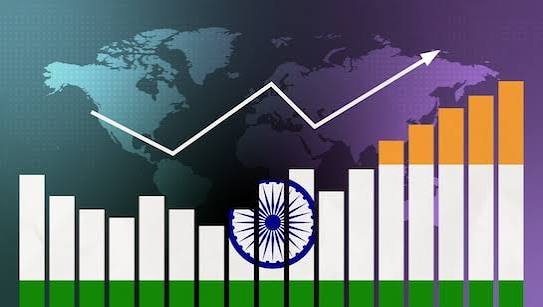

For decades, economic success was measured largely by one number—Gross Domestic Product (GDP) growth. A higher growth rate was seen as a clear sign of prosperity. Today, however, many economists believe that this measure alone no longer tells the complete story. Instead, they argue that sustainable and stable growth is more valuable than rapid expansion followed by periods of instability.
The reason is simple. Fast economic growth can create jobs, raise incomes, and encourage investment, but if it is accompanied by high inflation, excessive borrowing, or financial imbalances, the long-term benefits may quickly disappear. Recent global experience has shown that economies can grow rapidly for a short period only to face inflation, debt problems, or financial market volatility later. Experts therefore recommend a more balanced approach to economic management.
Inflation is one of the biggest reasons stability has become a priority. When prices rise too quickly, households lose purchasing power, businesses face higher costs, and investment decisions become uncertain. Although inflation has moderated in many economies compared with previous years, policymakers remain cautious because energy prices, geopolitical risks, and supply-chain disruptions can quickly reverse progress.
Another reason stability matters is investor confidence. Businesses are more likely to invest in factories, technology, and employment when they can predict interest rates, inflation, and government policies. Sudden policy changes or economic uncertainty often delay investment decisions, slowing long-term growth even if short-term indicators appear strong.
Experts also point to public debt as an emerging challenge. During recent global crises, many governments increased spending to support households and businesses. While these measures helped economies recover, they also left higher debt levels that now require careful fiscal management. Sustainable public finances allow governments to respond effectively to future crises without creating additional economic stress.

Technology is reshaping this discussion as well. Artificial intelligence is improving productivity and creating new business opportunities, but it is also changing labor markets. While AI-driven investment is supporting growth, economists warn that rapid adoption may temporarily increase inflationary pressures through heavy infrastructure spending and could widen income inequality if workers are not equipped with new skills.
For emerging economies such as India, maintaining stability is particularly important. Strong domestic demand, infrastructure investment, and digital transformation provide significant opportunities. However, these economies remain vulnerable to global financial conditions, commodity price movements, and climate-related disruptions. Stable macroeconomic policies help reduce these risks and encourage long-term investment.
In the opinion of many economists, the goal should not be the highest possible growth every year. Instead, governments should aim for consistent expansion supported by moderate inflation, healthy employment, productive investment, and sound public finances. Such an approach creates confidence among consumers, businesses, and investors while making economies more resilient to unexpected shocks.