
Google’s Made by Google event on August 12 is expected to focus heavily on its new Pixel hardware, but the software side of the presentation could be just as important. Android 17 is expected to feature prominently as Google introduces the Pixel 11 family and other new devices, giving the company an opportunity to demonstrate how its latest operating system works alongside new hardware and Gemini-powered features.
Android 17 has already moved through its development cycle and is the next major version of Google’s mobile operating system. The new software is expected to bring improvements aimed at making Android devices more flexible, secure and capable, particularly on large-screen devices such as foldable phones and tablets.
One of the most important areas of development is the way Android handles different screen sizes and device configurations. With Google expected to introduce the Pixel 11 Pro Fold at the event, Android 17’s ability to support foldable displays and adaptable applications becomes particularly relevant. Developers have increasingly been encouraged to build applications that can adjust smoothly between different screen sizes rather than being designed only for traditional smartphones.
Android 17 is also expected to continue Google’s focus on improving the overall user experience. The operating system has been developed with changes to navigation, media handling, performance and app behaviour. Some of these improvements may not be immediately visible to users, but they can make applications more reliable and responsive.
Another important area is the integration of artificial intelligence. Google has been pushing Gemini across its ecosystem, and the new Pixel generation is expected to demonstrate more AI-powered features. The combination of Android 17, Google’s Tensor hardware and Gemini could allow the company to move more AI functions directly into everyday smartphone experiences.
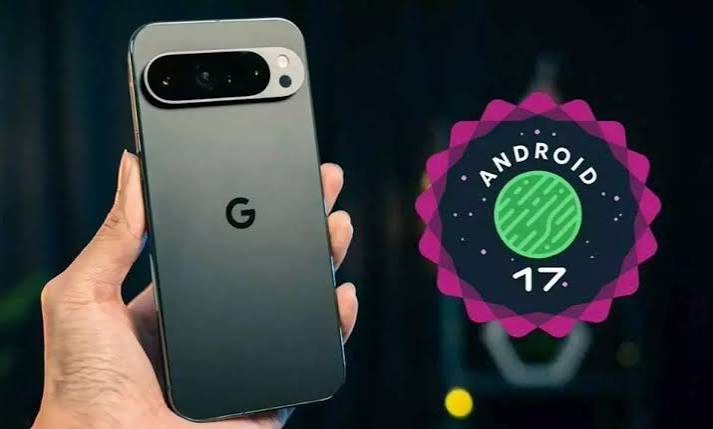
This strategy is becoming increasingly important as smartphone manufacturers compete on AI capabilities. Apple, Samsung and other companies are also building AI features into their devices, meaning Google needs to show that Android can provide useful tools rather than simply adding AI features for marketing purposes.
The Pixel 11 series will provide Google with a controlled environment for demonstrating these capabilities. Because Google develops both Android and Pixel hardware, it can optimise the operating system for its own devices and use the new phones to showcase features that may eventually reach a wider Android ecosystem.
Security is another major part of Android 17’s development. Modern smartphones contain sensitive information including financial data, personal messages, photographs and authentication details. Google therefore continues to strengthen protections around applications, permissions and system-level security.
For businesses and developers, changes inside Android 17 could be just as important as the features consumers see on the surface. New APIs, changes to application behaviour and updated requirements can affect how developers build and maintain Android applications.
Large-screen support is expected to remain an important theme. Android has been working toward a more consistent experience across phones, tablets, foldables and other form factors. The Pixel 11 Pro Fold could provide Google with another opportunity to demonstrate this approach in a premium device.
The software could also play an important role in improving battery efficiency. AI workloads can be demanding, particularly when devices perform tasks locally. Better management of background processes and hardware resources can help manufacturers deliver advanced features without consuming excessive battery power.
Google’s hardware event is therefore more than a smartphone launch. It provides the company with an opportunity to show how Android, Tensor processors, Gemini AI and Pixel hardware are becoming part of one connected ecosystem.
The event is scheduled for August 12 in New York, with the Pixel 11 lineup expected to be the central hardware announcement. Reports also point to the Pixel 11 Pro Fold and Pixel Watch 5 as major products at the event.
For consumers, the most interesting question will be which Android 17 features are exclusive to Google’s newest devices and which will eventually become available across other Android smartphones. Google has increasingly used Pixel devices to introduce or showcase new Android capabilities before they spread more widely through the Android ecosystem.
The operating system will also matter to developers because Android’s success depends heavily on its enormous application ecosystem. Any changes to APIs, app compatibility or background behaviour can affect millions of applications. Google therefore has to balance new functionality with compatibility for existing software.
The wider Android market makes this particularly important. Unlike Apple’s iOS, Android operates across smartphones from many manufacturers, each with different hardware and software customisations. New Android features therefore need to work across a much broader range of devices.
This year’s event could also reveal how Google plans to differentiate Pixel devices from other Android phones. Hardware specifications alone are becoming less important as smartphone technology becomes more mature. Software, AI services and long-term updates are increasingly becoming major reasons for consumers to choose one brand over another.
Android 17 could consequently become one of Google’s most important tools for building that differentiation. The company can use its own operating system to connect the Pixel experience with Gemini, Google Search, Photos, Maps and other services.
For the technology industry, the event will offer an early look at Google’s strategy for the next stage of Android. The company is moving toward a future in which smartphones are expected to understand users more naturally, perform more tasks locally and work across an expanding range of form factors.
While Google has not publicly confirmed every Android 17 feature expected to appear at the event, current reports indicate that software and AI will be important parts of the presentation.
Overall, Android 17 could be one of the most important parts of the Made by Google 2026 story, even if the Pixel 11 phones receive most of the headlines. The success of Google’s latest hardware will depend not only on cameras, processors and displays, but also on how well Android and Gemini turn those components into useful everyday experiences.