
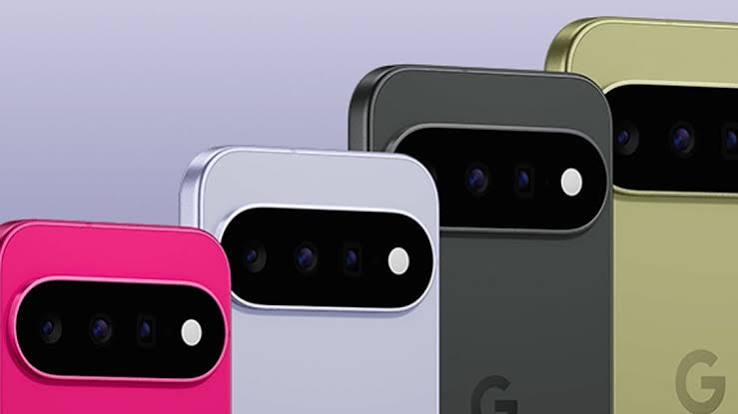
Google is set to take the spotlight in the consumer technology market today with its annual Made by Google hardware event, where the company is expected to introduce its next generation of Pixel smartphones and wearable devices. The event is scheduled for August 12, 2026, and is expected to centre around the Pixel 11 series, Pixel 11 Pro Fold and Pixel Watch 5, along with new artificial-intelligence features powered by Google’s Gemini ecosystem.
The event is important for Google because the Pixel range has increasingly become a showcase for the company’s approach to combining hardware with artificial intelligence. Rather than competing only on camera specifications or processor performance, Google has been positioning its smartphones around software, photography, personalised features and AI-powered tools.
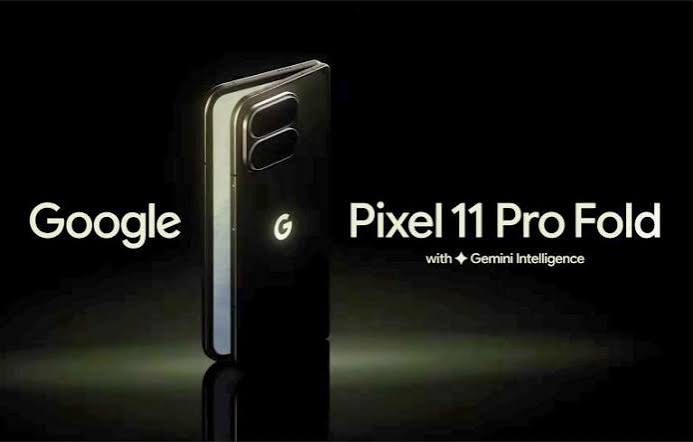
The Pixel 11 family is expected to include multiple models, with reports pointing to the standard Pixel 11 alongside higher-end Pro versions. The Pixel 11 Pro Fold is expected to be the company’s latest foldable smartphone, targeting consumers who want a larger screen while retaining a device that can be used as a conventional phone when folded.
Google has not publicly disclosed every specification ahead of the presentation, meaning some details remain subject to official confirmation. However, leaks and pre-launch reports have already generated considerable interest around the new devices. Some reports have suggested that the new generation could bring improvements to processing performance, photography and AI capabilities.
Artificial intelligence is expected to be one of the biggest themes of the event. Google has increasingly integrated Gemini into its products, and the new Pixel generation is expected to demonstrate how AI can be used directly on smartphones and other connected devices.
The company could use the event to show new AI-powered features involving photography, communication, productivity and personal assistance. The combination of Google’s own software ecosystem and Pixel hardware gives the company greater control over how these features are implemented.
The Pixel 11 Pro Fold is likely to receive particular attention because foldable smartphones remain one of the most competitive categories in the premium mobile market. Samsung, Motorola and other manufacturers have been investing heavily in foldable devices, while Google has been trying to establish its own position in the category.
A successful foldable product could help Google strengthen its presence in the premium smartphone segment. However, factors such as durability, battery life, thickness, hinge design, software optimisation and pricing will remain important for consumers.
Alongside the smartphones, Google is expected to introduce the Pixel Watch 5. The smartwatch will compete with products from Apple, Samsung and other wearable manufacturers. Google’s integration of Fitbit technology into the Pixel ecosystem gives the company an opportunity to combine smartwatch features with health, fitness and activity tracking.
The new watch is also expected to benefit from improvements in Google’s software and AI ecosystem. While detailed specifications are still being confirmed, consumers will likely be looking for improvements in battery life, performance, health tracking and integration with Pixel smartphones.
The timing of the event also makes it significant for the wider smartphone market. Google is launching its flagship Pixel products before the next major wave of premium smartphone releases from competitors. The company has increasingly used its hardware events to establish its technology direction for the rest of the year.
There is also an interesting change in Google’s launch strategy this year. Reports indicate that some Pixel 11 pre-orders became available before the main presentation in at least some markets. This means consumers could see official product information and ordering options before Google completes the traditional stage presentation.
For investors and technology companies, Google’s event is worth watching because Pixel hardware provides a window into the company’s broader AI strategy. Google is competing not only with smartphone manufacturers but also with Apple and other technology companies developing increasingly sophisticated AI assistants and on-device computing systems.
The company’s Tensor processors are another important part of this strategy. Google’s custom silicon allows it to optimise hardware and software together, particularly for machine-learning workloads. Improvements in processing efficiency could help Google deliver more AI features directly on devices without sending every task to the cloud.
The event could also provide clues about Google’s approach to Android 17. Reports indicate that software updates and AI capabilities are expected to be part of the presentation, potentially showing how the latest Android experience will work across Pixel phones and other connected devices.
For consumers, pricing and availability could ultimately be just as important as new technology. Premium smartphones and foldable devices remain expensive, and buyers will compare Google’s offerings with competing products before making purchasing decisions.
The Pixel 11 launch will therefore be closely watched by the smartphone industry. If Google delivers meaningful improvements in camera performance, battery life, AI features and overall hardware design, the new devices could strengthen the Pixel brand. If the upgrades are mainly incremental, consumers may have less reason to upgrade from existing Pixel models.
Overall, today’s Made by Google event represents more than another smartphone launch. It is an opportunity for Google to demonstrate how its hardware, Android software and Gemini AI ecosystem can work together.
The Pixel 11 series, Pixel 11 Pro Fold and Pixel Watch 5 are expected to be the main attractions, but the biggest story could ultimately be the role of AI across Google’s next generation of consumer devices. With competition intensifying across smartphones, foldables and wearables, Google’s ability to turn its AI advantage into useful everyday features could determine how successful this year’s hardware lineup becomes.