

Brazil has taken its trade dispute with the United States to the World Trade Organization (WTO), challenging new US tariffs imposed on Brazilian goods. The move adds another layer of tension to the growing trade disputes between major economies and could have wider implications for global commerce.
Brazil formally requested WTO consultations over the US measures in late July. The dispute covers an additional 25% tariff imposed by Washington on a broad range of Brazilian products, along with a separate measure involving tariffs of up to 12.5% linked to concerns about goods produced using forced labour. Brazil argues that the measures are unjustified and inconsistent with US obligations under WTO rules.
The latest US tariffs cover a wide range of Brazilian exports, including furniture, ethanol, machinery, footwear, sugar and other products. The new duties are part of a broader US trade policy that has increased tariffs on imports from several major trading partners.
For Brazilian exporters, the tariffs could make their products more expensive for American buyers. Higher import costs can reduce demand, put pressure on exporters’ profit margins and encourage US companies to look for alternative suppliers from other countries.
Brazil has argued that the US measures do not comply with international trade commitments. By taking the issue to the WTO, Brasília is using the international body’s formal dispute-settlement process rather than immediately responding only through its own tariffs.
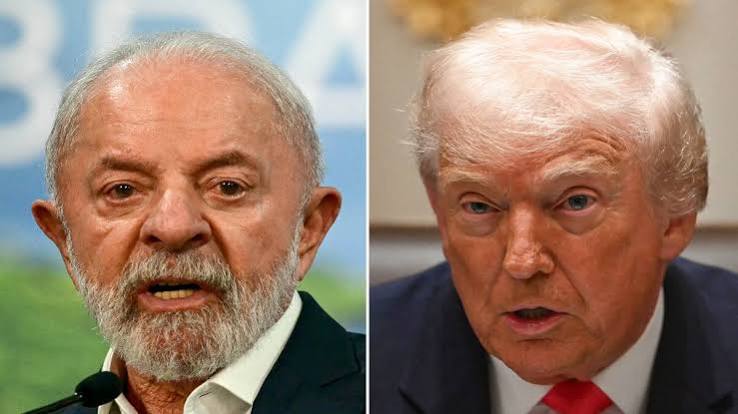
The WTO process begins with consultations between the countries. This stage gives Brazil and the United States an opportunity to discuss the dispute and potentially reach an agreement. If the consultations fail, Brazil can request the establishment of a WTO dispute panel to examine the case.
The dispute comes at a time when global trade relations are already under significant pressure. The United States has introduced or threatened tariffs affecting several major economies, while countries around the world are considering negotiations, exemptions or retaliatory measures. Analysts have warned that continued tariff uncertainty could make global trade and investment decisions more difficult.
The US says its tariffs on Brazil are linked to concerns including market access, ethanol policies, digital trade, intellectual property and environmental issues. Washington has also cited other trade and regulatory concerns in defending its approach.
The economic relationship between Brazil and the United States is substantial. US goods trade with Brazil totalled about $94.3 billion in 2025, while US services trade with Brazil was estimated at $40.5 billion. This means that prolonged trade tensions could affect businesses on both sides, not just Brazilian exporters.
Several Brazilian industries could face pressure if the tariffs remain in place for an extended period. Products such as wood, machinery, footwear, sugar and ethanol have meaningful exposure to the US market. Brazilian exporters may therefore need to look for alternative markets or adjust prices to remain competitive.
The dispute could also influence other countries’ trade strategies. If Brazilian goods become more expensive in the United States, American importers may increase purchases from competing producers. This could redirect global trade flows and affect prices in industries where Brazil is a major supplier.
For investors, the dispute is another reminder that trade policy has become an important factor for companies operating internationally. Tariffs can affect supply chains, production costs, sales volumes and profit margins, particularly for businesses that depend heavily on cross-border trade.
At this stage, the WTO case is still in its early phase, and there is no immediate ruling on whether the US tariffs violate international trade rules. The next important development will be the outcome of consultations between Brazil and the United States.
The dispute highlights a broader challenge for the global economy: as major countries increasingly use tariffs as a trade and policy tool, businesses are being forced to prepare for a less predictable international trading environment.