

Germany’s Rhine River is facing a growing shipping crisis as prolonged drought and extreme heat push water levels to exceptionally low levels, forcing cargo operators to reduce loads and halt some sailings. The disruption is raising concerns for industries that depend heavily on the river to move fuel, chemicals, raw materials and other goods across Europe.
The latest deterioration is particularly serious around southern sections of the Rhine, where water levels have fallen to new lows. According to Germany’s inland navigation authorities, some operators have already stopped services because vessels can no longer operate safely or economically under the current conditions.
The Rhine is one of Europe’s most important commercial waterways. It connects major industrial centres in Germany with North Sea ports in the Netherlands and Belgium, making it a crucial route for international trade. Germany’s environmental authorities have previously noted that more than 80% of goods transported by inland shipping in the country move along the Rhine.
Low water levels create an immediate problem for cargo vessels. Ships cannot travel fully loaded because their deeper hulls would risk hitting the riverbed. Operators therefore have to reduce the amount of cargo carried on each trip, sometimes requiring additional vessels or alternative transport by road and rail.
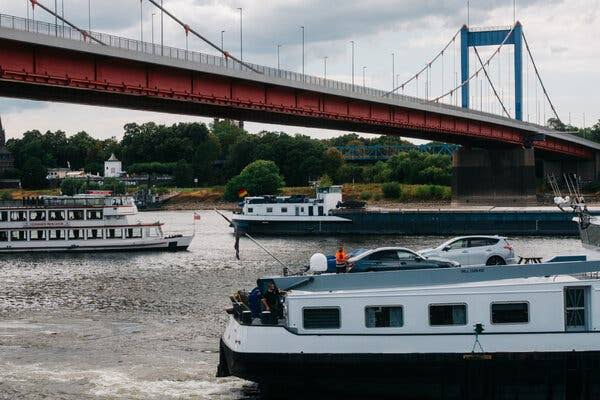
That has a direct effect on freight costs. When ships carry less cargo, the cost per tonne rises, and shipping companies can also add low-water surcharges. Businesses that depend on regular deliveries consequently face higher transportation expenses.
The impact could extend well beyond the shipping industry. The Rhine serves major industrial regions where companies depend on steady deliveries of raw materials and energy products. Chemical manufacturers, refineries, steel producers and other large industries can be particularly vulnerable when river transportation becomes unreliable.
Energy supplies are another concern. The river is used to transport oil products, coal and other fuels. If river traffic is severely restricted, companies may need to rely more heavily on road and rail transport, putting additional pressure on already busy logistics networks.
Germany has experienced similar problems during previous droughts, most notably in 2018 and 2022. During those periods, exceptionally low Rhine water levels disrupted supply chains and contributed to higher transportation costs. The current situation is again raising concerns that prolonged drought could create wider economic problems if water levels fail to recover.
The crisis is not limited to Germany. Other European waterways are also experiencing unusually low levels as drought conditions spread across parts of the continent. The Danube has also faced serious restrictions, while transport through some Dutch canals has been affected. This increases the risk of wider disruptions to Europe’s inland logistics network.
For manufacturers, the biggest concern is uncertainty. Companies can shift some cargo from waterways to trucks and trains, but those alternatives are generally more expensive and have limited capacity. A prolonged disruption could therefore force businesses to adjust production schedules, increase inventories or find alternative suppliers.
The situation is also highlighting the vulnerability of Europe’s transport infrastructure to extreme weather. Inland waterways have traditionally provided an efficient and relatively low-cost way of moving large quantities of goods. But increasingly frequent periods of extreme heat and drought are making water levels less predictable.
For financial markets and businesses, the key issue now is how long the disruption will last. Any significant rainfall could improve conditions, but continued hot and dry weather would increase pressure on the river system.
For now, the falling Rhine water levels are creating a difficult combination of higher freight costs, reduced shipping capacity and growing supply-chain risks. If the drought continues, the effects could spread from Germany’s transport sector to industries and consumers across Europe.