
Global financial markets are heading into an important week as investors turn their attention to the Federal Reserve’s annual Jackson Hole Economic Policy Symposium, while concerns about inflation, energy prices and rising government debt continue to influence trading.
The Jackson Hole meeting is scheduled for August 27-29 in Wyoming and will bring together central bankers, policymakers and economists from around the world. This year’s official theme is “Financial Innovation: Implications for Payments and Policy.”
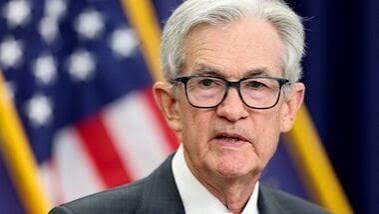
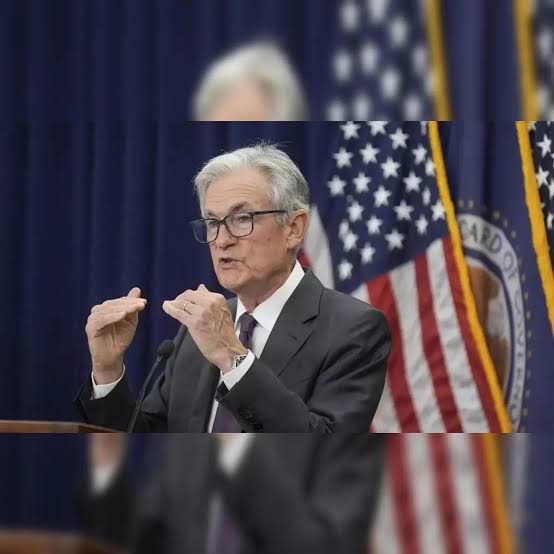
For investors, however, monetary policy is likely to be just as important as the conference theme. Markets will closely watch Federal Reserve Chair Kevin Warsh, who is expected to face questions about the direction of U.S. interest rates and the central bank’s approach to inflation. His appearance comes at a particularly sensitive time for financial markets, with investors trying to assess whether borrowing costs could remain high for longer.
Bond markets have already shown signs of stress. U.S. long-term Treasury yields have climbed sharply, with the 30-year yield reaching levels not seen since 2007. Rising yields make borrowing more expensive for governments and companies and can also put pressure on stock valuations, particularly technology companies whose future earnings are highly sensitive to interest rates.
Energy prices are another major concern. Disruptions to oil supplies linked to the conflict in the Middle East have increased fears that higher fuel costs could feed into inflation around the world. A prolonged rise in crude prices would make it harder for central banks to reduce interest rates without risking another increase in consumer prices.
That creates a difficult situation for policymakers. Cutting rates could support economic activity and reduce pressure on borrowers, but doing so while energy costs are rising could make inflation harder to control. On the other hand, keeping rates high for too long could weaken investment and employment.
Investors are therefore looking for clues rather than expecting a simple answer from Jackson Hole. Market participants will pay close attention to Warsh’s comments about inflation, economic growth and the Fed’s future policy decisions. The central bank’s communication could have an immediate impact on the dollar, Treasury yields, equities and other major financial assets.
The U.S. economy is also facing pressure from its large fiscal deficit and growing national debt. Reuters reported that U.S. government debt has passed $40 trillion, while long-term borrowing costs have risen significantly. These developments have added to investor concerns about the sustainability of government finances and the future supply of Treasury bonds.
Stock markets are facing their own test. The technology sector has enjoyed a strong rally this year, supported by enthusiasm surrounding artificial intelligence and expectations for continued investment in AI infrastructure. But higher bond yields can make expensive growth stocks less attractive. Investors are also waiting for Nvidia’s upcoming earnings report, which is expected to provide another important indication of whether the AI investment boom remains strong.
Markets outside the United States are also watching developments closely. European and Asian central banks face their own inflation challenges, particularly as higher energy costs could affect consumer prices and economic growth. Investors will be looking at inflation data and central-bank signals from several major economies during the coming week.
For ordinary consumers, the global market story may eventually be felt through borrowing costs, fuel prices, investment returns and currency movements. If inflation remains stubborn, central banks may have less room to cut rates. If economic growth weakens at the same time, policymakers could face the difficult choice between supporting growth and protecting price stability.
The Jackson Hole meeting therefore comes at a crucial moment. Investors are entering the event with markets already sensitive to bond yields, energy prices and inflation. Any signal that changes expectations for U.S. monetary policy could quickly spread across global financial markets.