

India’s local markets are witnessing mixed price trends as the cost of essential household items continues to fluctuate. While overall retail inflation has moderated in recent months, consumers are still facing higher prices for several daily-use commodities, particularly vegetables, pulses and edible oils. Seasonal supply changes, weather conditions and transportation costs remain the primary factors influencing market prices.
Vegetable prices continue to vary across states due to uneven rainfall and seasonal demand. Tomatoes, onions and green vegetables have experienced periodic price increases in several wholesale and retail markets. Although fresh arrivals from producing regions have helped stabilize prices in some cities, consumers are still paying more for certain vegetables compared to earlier months.
Pulses remain another area of concern for households. Higher procurement costs and supply-demand imbalances have kept the prices of tur dal, urad dal and moong dal elevated in many local markets. The government has continued to monitor stock levels and imports to improve availability and reduce price volatility.
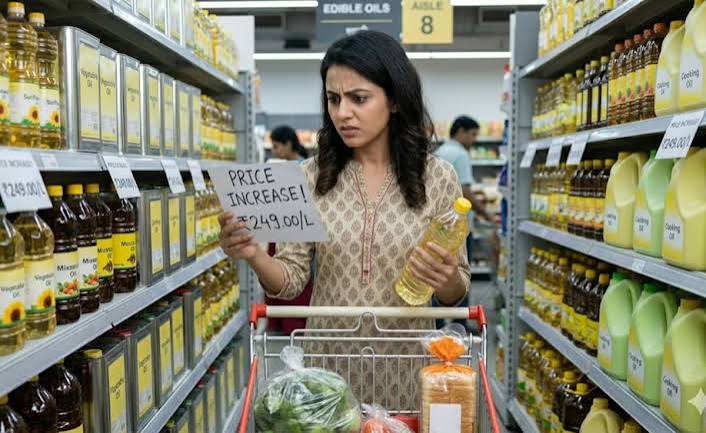
Edible oil prices have also shown mixed movement. While global prices for some cooking oils have softened, fluctuations in international markets and import costs continue to influence retail prices in India. Consumers are closely monitoring prices of sunflower oil, soybean oil and palm oil, which remain important components of household spending.
Milk and dairy products have remained relatively stable, although prices have increased moderately in some regions due to higher production costs, including cattle feed and transportation expenses. Similarly, packaged food items have seen selective price revisions as manufacturers adjust to changing input costs.
Rice and wheat prices have remained comparatively stable because of adequate government stocks and continuous supply through the public distribution system. However, premium rice varieties and branded wheat flour have recorded moderate price increases in some urban markets.
Fruit prices have also fluctuated depending on seasonal arrivals. Mango prices have started declining with the end of the summer season, while apples, bananas and citrus fruits continue to trade at varying rates depending on regional supply.
Fuel prices continue to play an important role in determining transportation and logistics costs. Stable petrol and diesel prices have helped prevent sharp increases in the cost of moving agricultural produce, although localized transportation expenses still affect retail prices in remote areas.
Market experts believe that the arrival of the new agricultural harvest and a normal monsoon season could improve the supply of vegetables and food grains in the coming months. Better production is expected to help stabilize prices and reduce inflationary pressure on household budgets.
Consumers are advised to compare prices across local markets, purchase seasonal produce whenever possible and plan monthly grocery spending carefully to manage household expenses more efficiently.
Overall, while inflation has eased at the national level, the prices of essential food items continue to influence household budgets across India. The coming months will depend largely on agricultural production, weather conditions and supply chain efficiency to determine whether local market prices remain stable or witness further fluctuations.